


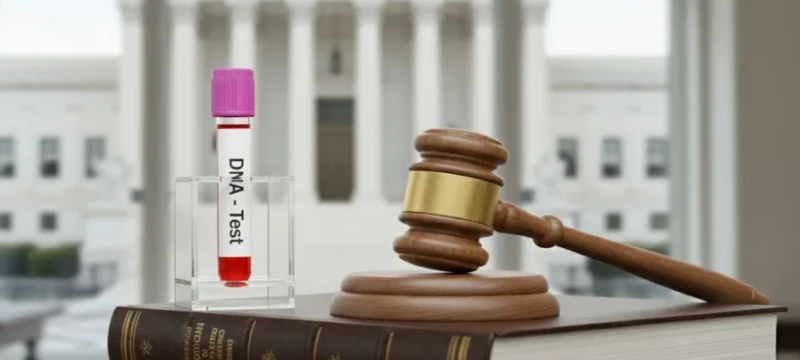
The Supreme Court of Pakistan has issued a landmark ruling on DNA testing. Supreme Court Declares Forced DNA Tests Illegal: What You Need to Know, emphasizing that courts cannot compel individuals to undergo DNA tests in most cases. The judgment protects personal rights and privacy.
The case involved a man who was ordered by a lower court to take a DNA test related to allegations of forgery and corruption. The Supreme Court found that the lower court had no legal basis to force the test.
In its verdict, the court said DNA testing is highly private. It should only be ordered in serious criminal cases, such as rape or other sexual offenses. For other matters, people cannot be forced to provide their genetic information.
The judgment highlighted that constitutional rights, including privacy and personal dignity, must be respected. Forcing a DNA test without consent violates these rights and can cause emotional distress and social stigma for the person and their family.
Justice Muhammad Hashim Khan Kakar wrote the main opinion. He noted that both the lower court and the high court made errors in allowing the test. The Supreme Court stressed that DNA evidence should not replace proper legal procedures when the law does not explicitly permit it.
Legal experts welcomed the decision, saying it safeguards individuals from intrusive procedures. They noted that medical tests must never be imposed without clear legal authority. Observers also emphasized that DNA carries sensitive personal information and that courts must carefully balance evidence needs with personal rights.
Supreme Court Declares Forced DNA Tests Illegal: What You Need to Know sets a strong precedent for future cases. It provides clear guidance on how judges should handle requests for compulsory DNA tests.
The court directed the lower court handling the original case to continue proceedings without requiring a DNA test. This ensures the case moves forward based on evidence that does not involve forced genetic sampling.
Experts said this ruling is a significant step in protecting fundamental rights. Any future request for DNA testing must meet strict legal standards before it can be ordered. Supreme Court Declares Forced DNA Tests Illegal: What You Need to Know, reinforcing the importance of privacy, dignity, and consent in legal proceedings.
Read More : Supreme Court Resumes Super Tax Case Hearing