


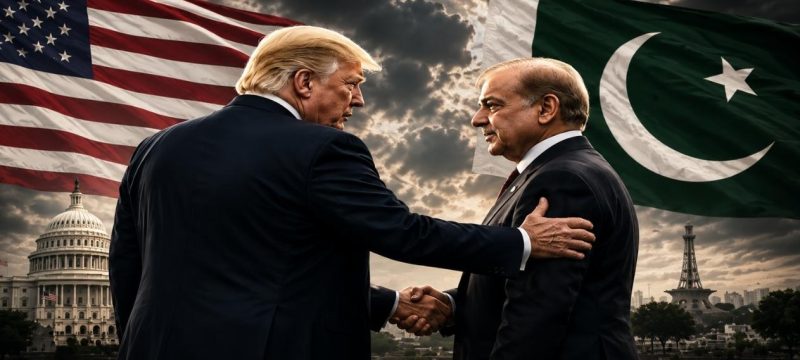
US President Donald Trump has reportedly reached out to several Muslim-majority countries, including Pakistan, Saudi Arabia, Qatar, and Turkey, urging them to join the Abraham Accords as part of a broader diplomatic strategy linked to Middle East peace efforts and tensions involving Iran.
According to reports, Trump said he personally spoke with leaders of these countries, as well as officials from the United Arab Emirates and Bahrain, which are already members of the Abraham Accords. Washington views the initiative as a major step toward expanding diplomatic relations with Israel and reshaping regional alliances.
However, Pakistan responded strongly against the proposal and rejected any suggestion of joining the agreements. Pakistani officials stated that efforts related to an Iran ceasefire should not be connected to normalization talks with Israel.
A Pakistani security source reportedly said that the issue of Iran and the Abraham Accords are completely separate matters and “cannot be connected.” Officials also stressed that Pakistan was under no obligation to accept international pressure on the matter.
Defence Minister Khawaja Asif also dismissed speculation regarding any progress toward normalization with Israel. He described the Abraham Accords as “unacceptable” and said such agreements conflict with Pakistan’s ideological position and long-standing support for the Palestinian cause.
Khawaja Asif further stated that there had been no formal diplomatic communication or request regarding the issue. Referring to the ongoing war in Gaza, he questioned the reliability of Israel in future agreements amid rising tensions and mistrust in the region.
While Trump claimed discussions were held with several Muslim-majority nations, no official public response has yet been issued by Saudi Arabia, Qatar, or Turkey. Analysts believe a positive reaction from these countries is unlikely in the near future due to strong public support for Palestinians across the Muslim world.
The proposal has once again sparked debate over the future of the Abraham Accords, which were originally introduced to normalize relations between Israel and several Arab countries. Supporters argue the agreements can improve regional stability and economic cooperation.
Critics, however, believe expanding the framework without addressing the Palestinian issue could weaken decades-old diplomatic positions tied to the creation of a Palestinian state.
Security experts have also warned about possible geopolitical consequences if more countries move toward closer ties with Israel. Analysts say such shifts could increase tensions with Iran and allied groups such as Hezbollah and the Houthis.
Past attacks on Gulf infrastructure are often mentioned as examples of how quickly regional tensions can escalate. Experts believe any major diplomatic shift could place participating governments under domestic political pressure and regional security risks.
In other news read more about: Pakistan, China Advance CPEC 2.0 With Focus on Connectivity, Energy and Investment
Trump’s latest push for expanding the Abraham Accords is expected to remain a major topic of debate in the Middle East as countries carefully weigh political, diplomatic, and security considerations.