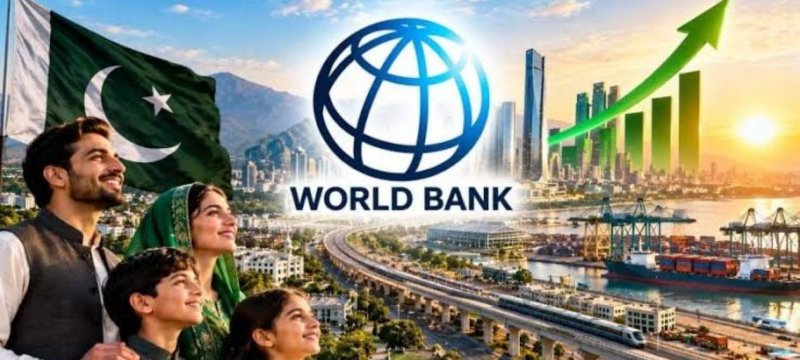
Pakistan could triple its per capita income by 2050 if the country implements major economic reforms and accelerates growth. The World Bank estimates that annual economic growth must reach between 6.2% and 6.9% to achieve this goal. The projections offer a potential path towards higher living standards over the next two decades.
According to the assessment, Pakistan could reach income levels similar to those currently enjoyed by Vietnam. However, achieving this target would require consistent reforms, better governance and stronger private-sector investment. The report warns that short-term economic improvements alone will not guarantee long-term prosperity.
Despite recent progress, income growth for ordinary Pakistanis remains limited. Real per capita income is increasing by approximately 1.6% annually. This indicates that the benefits of economic recovery are reaching households more slowly than needed for significant improvements in living standards.
Pakistan’s Economic Indicators Show Improvement
Pakistan’s economy recorded stronger growth in the latest reported fiscal year. Real gross domestic product (GDP) growth increased to 3.7% in FY26, compared with 3.2% in FY25. Improved revenue collection and spending controls also supported the government’s fiscal position.
The country recorded a primary fiscal surplus equal to 2.9% of GDP during FY26. Remittances from overseas Pakistanis continued to support foreign exchange reserves. These developments helped strengthen the country’s overall economic position despite ongoing financial pressures.
Pakistan also received improved sovereign credit ratings from S&P Global Ratings and Moody’s. The country returned to international debt markets through a $3 billion Eurobond issuance. These developments reflected improved confidence in Pakistan’s economic stabilisation efforts.
However, the World Bank stressed that restoring financial stability represents only the first step. Pakistan must now focus on reforms that support stronger economic growth and increase household incomes.
Reforms Needed to Increase Household Incomes
The report highlights the importance of modernising institutions and improving economic governance. It also recommends removing barriers that prevent businesses from investing and expanding. These measures could help create jobs, increase productivity and support sustainable economic growth.
World Bank Country Director for Pakistan Bolormaa Amgaabazar acknowledged the country’s progress in restoring economic stability. However, she emphasised the need for reforms that deliver stronger and more lasting growth.
The assessment identifies private-sector expansion as a key driver of future prosperity. With limited fiscal resources and continued pressure on foreign exchange availability, Pakistan needs sustainable sources of economic activity. Encouraging businesses to invest could help reduce these constraints over time.
The report also stresses that reforms must continue over the long term. Policymakers need a clear economic strategy and effective coordination between government institutions. Without consistent implementation, Pakistan could struggle to achieve its ambitious income targets.
Pakistan Faces a Major Economic Challenge
The World Bank’s projections highlight both an opportunity and a challenge for Pakistan. The country has made progress in fiscal management, foreign exchange reserves and international market access. However, these improvements have not yet translated into sufficiently rapid income growth for ordinary citizens.
Pakistan’s current real per capita income growth of around 1.6% remains below the pace needed for substantial improvements in living standards. Achieving annual GDP growth of nearly 7% would require significant changes across the economy.
In other news read more about CM Punjab Gives Police Four Weeks To Improve Law And Order
If Pakistan successfully implements the proposed reforms, incomes could rise substantially by 2050. Reaching that target will depend on sustained economic policies, stronger private investment and improved productivity. The coming years will be crucial in determining whether the country can turn its economic recovery into lasting prosperity.