

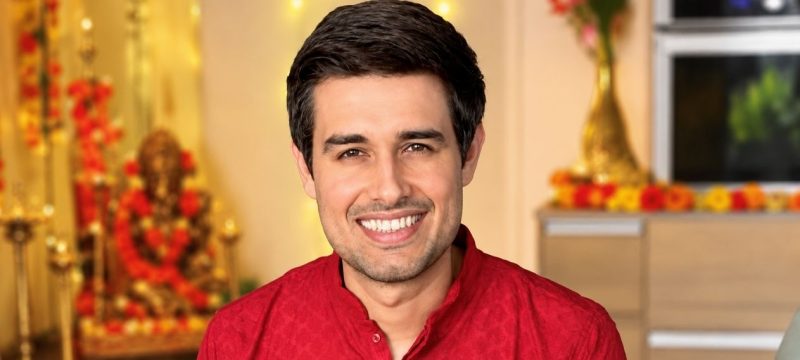
The Delhi High Court has directed the Central Government to decide within 15 days on a petition seeking action against a YouTube video uploaded by Dhruv Rathee. The court has asked the government to review the complaint under the relevant legal provisions before making a decision.
The petition alleges that the video by Dhruv Rathee contains remarks about Lord Rama and Sita that have hurt the religious sentiments of Hindus. According to the complaint, the video includes references to meat and alcohol in connection with the revered figures, which the petitioner claims are offensive.
During the hearing, the Delhi High Court did not issue an immediate order to remove the video from YouTube. Instead, the court instructed the Central Government to examine the matter under the applicable rules and communicate its decision within the next 15 days.
The court also made it clear that the issue will be taken up again after the government completes its review. This means the future of the video will depend on the findings and decision of the concerned authorities.
The petition was filed by an individual who argued that the content in the video was inappropriate and had caused emotional distress among members of the Hindu community. The plea requested the authorities to remove the video from the platform and take action under the relevant legal framework.
At this stage, the High Court has not expressed any opinion on the merits of the allegations. It has only directed the government to follow the prescribed legal process and decide the matter within the given timeline.
The case involving Dhruv Rathee has attracted attention because it concerns the balance between freedom of expression and respect for religious beliefs. Similar cases have often raised important legal questions about online content and the responsibilities of digital platforms.
Legal experts say the government’s review will likely consider existing information technology rules and other applicable laws before reaching a conclusion. Any decision taken by the authorities may also be subject to further judicial scrutiny if challenged.
The court’s order does not require YouTube to remove the video immediately. Instead, it places the responsibility on the Central Government to examine the complaint carefully and determine whether any action is warranted under the law.
The matter is expected to return before the Delhi High Court once the government submits its decision. Until then, the legal process will continue as directed by the court.
The case highlights the growing number of disputes involving digital content creators and online platforms. It also reflects the increasing role of courts in addressing complaints related to social media and internet content.
In other news read more about: 350 Afghans Jailed Over Music and Beard-Trimming Under Taliban Rules
For now, the High Court has limited its order to directing the government to review the complaint within 15 days. Any further action regarding the Dhruv Rathee video will depend on the outcome of that review and the next hearing before the court.