


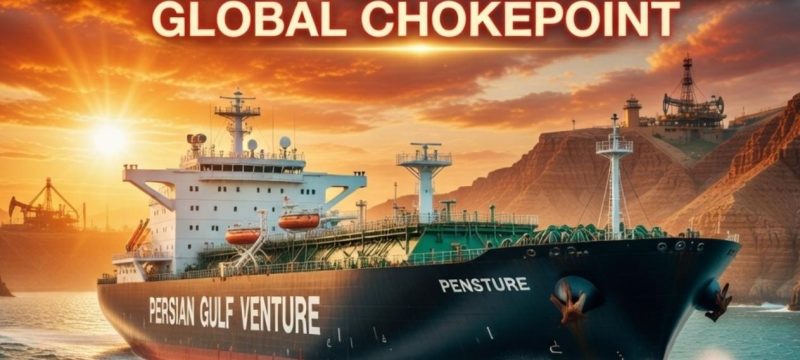
Global energy markets are facing growing uncertainty as tensions in the Middle East continue to rise. Experts warn that the situation could disrupt Global Oil supplies and push prices sharply higher in the coming weeks.
Qatar’s Energy Minister Saad al-Kaabi recently issued a strong warning about the potential impact of the conflict. He said escalating tensions with Iran could force Gulf energy producers to stop exports within a week if the situation worsens.
Such a move would have a major impact on Global Oil markets. The Gulf region supplies a large share of the world’s crude oil and natural gas. Any disruption to these exports could quickly affect energy prices and supply chains worldwide.
Oil prices have already surged to their highest levels in nearly two years. On Friday, March 6, markets recorded strong gains. West Texas Intermediate crude rose about 4 percent to around $84.12 per barrel. Brent crude also increased by nearly 2 percent, reaching about $87.12.
These increases mark the steepest weekly gains since Russia’s invasion of Ukraine in 2022. Analysts say rising geopolitical tensions are the main reason behind the latest surge in Global Oil prices.
The situation intensified after the Strait of Hormuz faced disruptions. This critical shipping route is one of the most important passages for oil transport. A large portion of the world’s oil exports passes through the strait every day.
Following the blockade concerns, West Texas Intermediate crude climbed about 25 percent during the week. Market observers say any long-term closure of the route could severely impact Global Oil distribution.
In an interview with the Financial Times, Kaabi said Gulf exporters could enter a force majeure situation if the war continues. This legal term refers to circumstances that prevent companies from fulfilling supply contracts.
Qatar has already taken precautionary measures. The country suspended liquefied natural gas production earlier this week. Qatar normally produces about 20 percent of the world’s LNG supply.
The decision came after Iran launched retaliatory strikes in response to attacks by Israel and the United States. The strikes targeted several Gulf locations, raising fears of a wider regional conflict.
Kaabi warned that a prolonged war would affect the global economy. Higher energy prices could slow economic growth in many countries.
He also said shortages of certain products may appear. Rising costs could disrupt factories and supply chains worldwide.
If oil tankers cannot pass through the Strait of Hormuz, crude prices could rise dramatically. Kaabi estimated that oil could reach as high as $150 per barrel within two to three weeks.
Natural gas prices may also surge. Some projections suggest gas could climb to $40 per million British thermal units if supply disruptions continue.
In other news read more about: Digital Blackout in Iran as Internet Remains Nearly Shut Down for a Week
Energy analysts say the coming weeks will be critical for Global Oil stability and international markets.