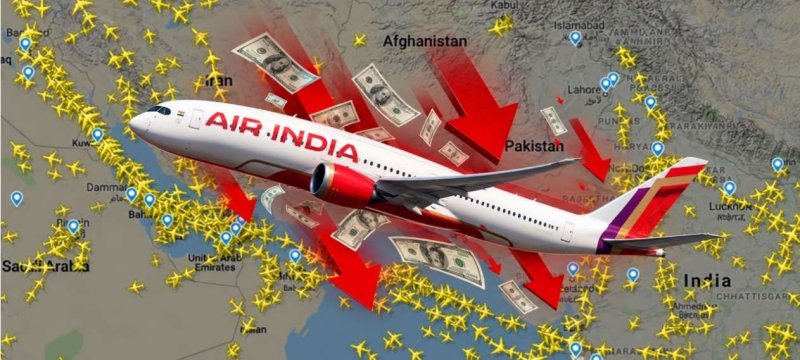
India’s aviation industry has reportedly suffered losses of around $2 billion since Pakistan closed its airspace to Indian aircraft in April 2025. The restriction has forced airlines to take longer routes, increasing fuel consumption and operating expenses. These additional costs have placed pressure on airlines operating international services.
The airspace closure has affected flight operations between India and several international destinations. Airlines must now use alternative routes to avoid Pakistani airspace. Longer journeys can increase flight times, fuel requirements and overall operating costs.
Indian Airlines have also faced changes to their flight schedules amid these pressures. Air India has announced plans to suspend two international routes. The airline will stop operating flights between Delhi and Vienna from October 31. Services between Delhi and Birmingham will also be suspended from November 1.
The reported decision comes as the airline manages higher operating expenses and limited aircraft availability. Maintenance requirements and cabin upgrades have reduced the number of aircraft available for regular operations. These factors have added to the challenges created by longer flight routes.
The suspension of the two services highlights the pressure facing Indian carriers on certain international routes. Airlines must balance operational costs, aircraft availability and passenger demand when deciding which services to maintain. However, the available information does not specify how long the suspensions will remain in place.
According to the report, around 800 flights per week are affected by Pakistan’s airspace restriction. The impact extends beyond individual route changes, as airlines must adjust schedules and flight planning. The additional distance can also affect crew arrangements and aircraft utilisation.
A spokesperson for the Pakistan Airports Authority said the restriction remains in effect through November. The closure, introduced in April 2025, continues to shape flight operations between the two countries and influence airline planning.
For Indian Airlines, the financial impact highlights how airspace restrictions can affect international aviation. Higher fuel bills and longer journeys can reduce operational efficiency and increase costs. The extent of the impact varies depending on routes, aircraft types and operating schedules.
Air India’s planned suspensions of its Delhi–Vienna and Delhi–Birmingham services reflect the challenges facing the carrier. The airline must also manage aircraft maintenance and cabin upgrade programmes. Further changes to flight schedules will depend on operational requirements and the conditions affecting international routes.
In other news read more about India Detains Four Pakistani Fishermen Near Disputed Sir Creek Border
The situation remains important for passengers travelling between India and overseas destinations. Travellers should check directly with their airlines for updated schedules, alternative connections and any changes to existing bookings.