

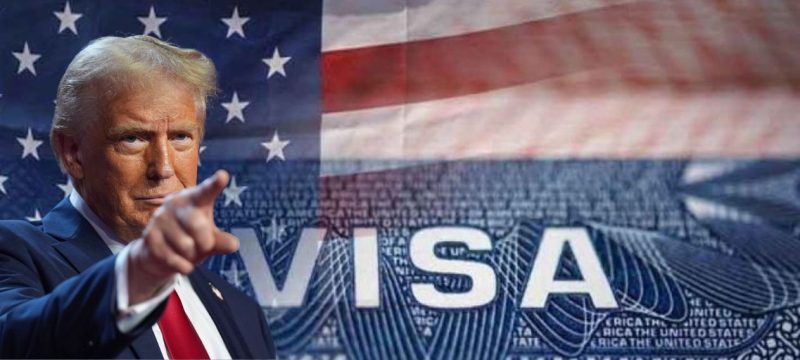
The Trump administration has directed U.S. embassies and consulates worldwide to stop scheduling new visa interviews for student and exchange visitor categories (F, M, and J visas), as it prepares to roll out stricter social media screening protocols.
According to an internal cable obtained by Reuters, this suspension will remain until a review of the vetting process is completed. While previously scheduled appointments will proceed under current rules, no new slots will be made available for now.
Read more: Court Blocks Trump’s Attempt to Revoke Harvard’s Enrollment of International Students
The directive, issued by Secretary of State Marco Rubio, is part of broader immigration control efforts under the administration, which also include intensified deportation measures and stricter visa enforcement.
A senior State Department official confirmed the authenticity of the cable, while spokesperson Tammy Bruce emphasized the U.S. government’s commitment to employing all available means to thoroughly screen individuals, including students, before granting entry.
This shift in policy has triggered protests across American university campuses, particularly at Harvard, where hundreds of students and faculty demonstrated in solidarity with international students. Harvard, with nearly 6,800 foreign students making up over a quarter of its student body, has been a central focus in these debates. The administration has also attempted to withdraw federal funding from the university.
Critics say these actions violate First Amendment protections, especially following multiple reports of student visa holders and green card recipients facing deportation for expressing views critical of Israel or in support of Palestinians.
One prominent incident involved a Turkish student at Tufts University, detained for six weeks after publishing an opinion article challenging the university’s stance on the Gaza conflict. She was later released on a court order.
In a further escalation, the administration recently moved to strip Harvard of its authority to enroll international students, intensifying the standoff between federal officials and academic institutions resisting political and ideological interference.