


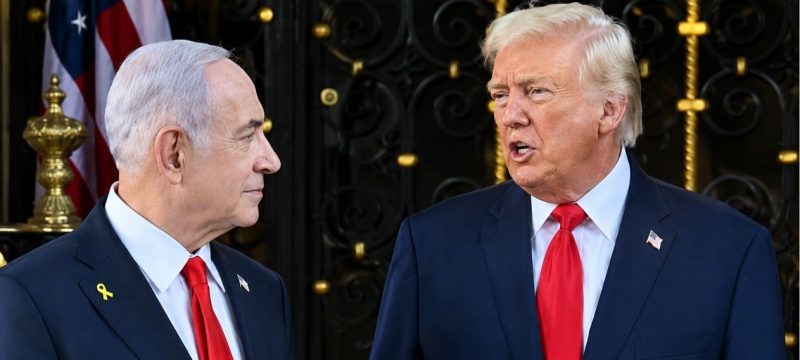
US President Donald Trump strongly criticized Israel over an airstrike in Beirut, calling the timing inappropriate as efforts continue toward a potential agreement between the United States and Iran.
Speaking on the sidelines of the G7 summit in France, Trump said the strike came at a sensitive moment and risked increasing tensions in the region. Despite the incident, he maintained that diplomatic progress between Washington and Tehran could still move forward.
During a meeting with Qatar’s Emir Sheikh Tamim bin Hamad Al Thani, Trump emphasized that the United States is pursuing diplomacy rather than financial involvement in Iran. He rejected suggestions that Washington planned to invest money in Iran, describing such claims as inaccurate.
Trump also praised Qatar for its role in facilitating communication between the United States and Iran. He said Washington was impressed with Doha’s efforts in supporting regional diplomacy and helping maintain dialogue during a critical period.
The Qatari Emir welcomed the emerging agreement and described it as a potentially important development for the Middle East. However, he noted that significant work remains before the deal can be fully implemented.
According to official statements from the United States, a memorandum of understanding with Iran has already been digitally signed. A formal signing ceremony is expected to take place in Geneva on June 19.
Iranian officials have also confirmed progress toward the agreement. Pakistan’s Prime Minister Shehbaz Sharif has publicly acknowledged the development, reflecting growing international attention surrounding the potential deal.
Despite diplomatic progress, tensions between Washington and Tehran remain high. Both sides have recently accused each other of carrying out military actions in the region.
Addressing those developments, Trump said the United States had acted defensively when responding to regional threats. He stated that military action had not been his preferred option but described it as necessary under the circumstances.
A key issue highlighted by Trump was Iran’s nuclear program. He reiterated that Iran must never acquire nuclear weapons and argued that the proposed agreement could serve as a safeguard against nuclear proliferation.
Trump also suggested that changes in Iran’s leadership environment may have created conditions for more constructive engagement. He expressed confidence that diplomacy could produce positive results if both sides remained committed to the process.
While discussing regional security, Trump voiced frustration over the Israeli strike in Beirut. He said he had personally informed Israeli officials that he did not approve of the timing of the operation.
When asked whether Israeli actions could threaten the emerging agreement, Trump insisted that the deal could still survive despite ongoing violence. He described the broader issue of Iran as more significant than individual regional incidents.
Trump further urged restraint in military operations and cautioned against excessive force in populated areas. He also encouraged greater regional cooperation to address ongoing security concerns.
In other news read more about: US-Iran Peace Deal to Be Signed in Switzerland on June 19, Says PM Shehbaz Sharif
As diplomatic efforts continue, international attention remains focused on whether the proposed agreement can help reduce tensions and improve stability across the Middle East. For now, officials from multiple countries continue working toward a formal agreement while monitoring developments across the region.