

The US Supreme Court has struck down President Donald Trump’s use of global tariffs, ruling that his actions exceeded presidential authority. The 6-3 decision impacts tariffs imposed under the International Emergency Economic Powers Act (IEEPA).
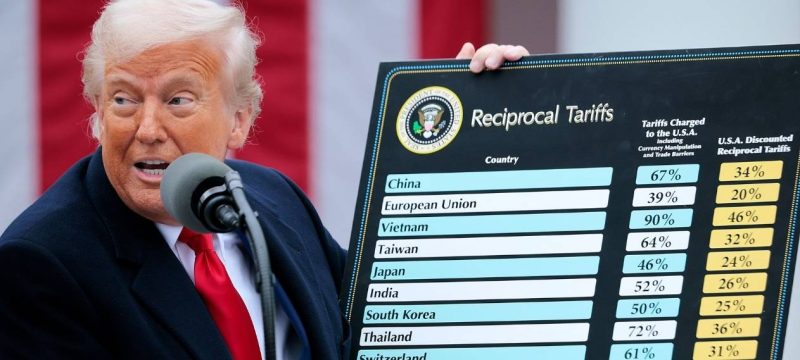
Trump had invoked IEEPA to impose tariffs on goods from multiple countries, including China, citing a national emergency. These global tariffs were part of his economic and foreign policy strategy, aimed at protecting US trade interests.
The court upheld a lower court ruling following legal challenges from businesses affected by the tariffs and 12 US states. Experts say the decision could have major implications for international trade and future tariff policies.
Trump had argued that the global tariffs were vital for US economic security. He claimed other countries had long taken advantage of the United States, saying tariffs were necessary to defend the economy.
Economists estimate that IEEPA-based tariffs had generated over $175 billion in revenue, and the Supreme Court ruling may require refunds to affected businesses. The tariffs had also strained relationships with key trading partners and introduced uncertainty in global markets.
Legal experts say the decision reinforces Congress’s authority over taxation and trade, limiting the president’s ability to unilaterally impose tariffs. While some tariffs under other laws remain, they do not provide the same flexibility or reach as IEEPA-based global tariffs.
Trump’s use of tariffs had previously allowed him to renegotiate trade deals and extract concessions from foreign countries. The Supreme Court ruling now restricts such unilateral measures, potentially reshaping US trade leverage.
Treasury and administration officials have said they may explore other legal avenues to retain some tariff measures, but none offer the same scope as the IEEPA-based global tariffs.
In other news read more about: Trump Threatens Iran With Action, Gives 15‑Day Deadline for Nuclear Deal
The decision marks a significant check on executive power and may influence the way future US administrations implement trade policies.