

The death toll from the devastating earthquakes in Venezuela has climbed to nearly 3,000 as rescue operations enter their final phase. Updated official figures released on Saturday confirmed that 2,954 people have lost their lives following the powerful twin earthquakes that struck the country on June 24.
The latest figures show an increase of more than 300 deaths compared to the previous day. Thousands of survivors remain without permanent shelter, with many families continuing to live in temporary camps or on the streets after losing their homes.
The United Nations estimates that up to 50,000 people are still unaccounted for. However, the Venezuelan government has not released an official estimate of the number of missing people. The two earthquakes, measuring 7.2 and 7.5 in magnitude, struck just 38 seconds apart, making the disaster one of the deadliest in the country’s recent history.
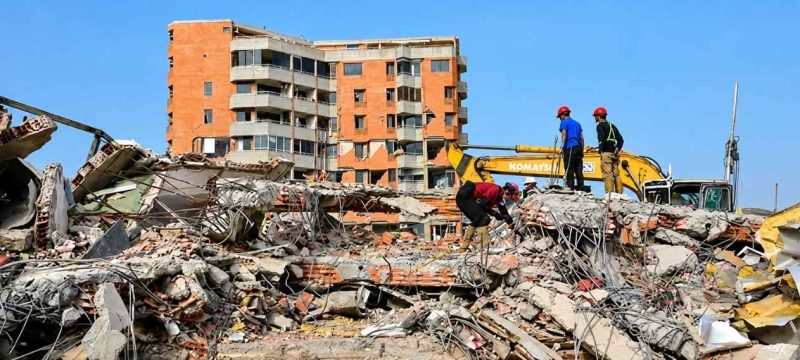
The worst destruction occurred in La Guaira, a coastal region north of Caracas. Entire residential buildings collapsed during the disaster, leaving neighborhoods buried under concrete and debris. Rescue teams have spent the past ten days searching through the wreckage in hopes of finding survivors.
Emergency experts say the best chance of rescuing people trapped beneath collapsed buildings usually exists within the first 72 hours. Although a small number of survivors were rescued earlier this week, recent search efforts have found no new signs of life.
International rescue teams are now beginning to conclude their missions in Venezuela. Interim President Delcy Rodríguez held a ceremony to honor rescue workers and their search dogs for their efforts during the emergency response.
Speaking at the event, Rodríguez described the tragedy as a period of deep national sorrow. She said many families are still hoping their missing loved ones will be found while others continue mourning those who lost their lives.
Rescue teams from several countries, including the United States and South America, have started returning home after completing their operations. Members of the Los Angeles County Fire Department, along with teams from Florida and Virginia, confirmed that their latest searches showed no signs of survivors.
Despite the large international response, many residents criticized what they described as a slow initial reaction by authorities. Some families said they were forced to search through the rubble themselves before international rescue teams reached affected areas.
Government officials defended their response, saying thousands of soldiers, emergency workers, and public officials were deployed immediately after the earthquakes.
Recovery work has now entered a new phase. Heavy machinery is being used to clear damaged buildings in La Guaira, while volunteers continue searching collapsed homes for the bodies of missing relatives. One volunteer, Francisco Sasquia, said rescue workers are still recovering victims so families can hold proper funerals.
Beyond the human tragedy, Venezuela also faces major economic challenges. The United Nations estimates that the earthquakes caused around $6.7 billion in physical damage, equal to about six percent of the country’s gross domestic product. The disaster has further strained a nation already facing years of economic hardship and political instability.
The earthquakes also damaged Maiquetia International Airport, which serves Caracas. The airport has partially reopened to receive humanitarian aid flights, but commercial operations remain suspended. Officials say a reconstruction plan for the airport will be announced soon.
In other news read more about: Venezuela Earthquake Death Toll Nears 1,500 as Rescue Efforts Continue
As rescue operations come to an end, Venezuela now faces the long and difficult task of rebuilding communities, restoring infrastructure, and helping thousands of families recover from one of the country’s worst natural disasters.