

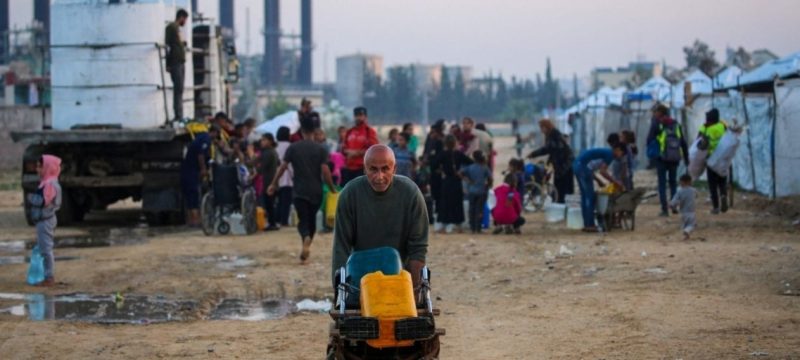
Pakistan and Arab States have expressed strong concern over Israel’s recent statement about opening the Rafah border crossing in only one direction. The move, according to Israel, would allow Palestinians to exit Gaza and enter Egypt. The announcement immediately triggered alarm among regional countries.
In a joint statement, the foreign ministers of Egypt, Indonesia, Jordan, Pakistan, Qatar, Saudi Arabia, Turkey, and the United Arab Emirates said they were deeply worried about the plan. Pakistan & Arab States stressed that any attempt to push Palestinians out of Gaza would be unacceptable. They added that the Palestinian people must not be expelled or forced to leave their land.
The ministers said they “absolutely reject” any action that could lead to displacement. They urged all parties to follow international laws and protect the rights of civilians. Pakistan & Arab States also called for the Rafah crossing to be opened in both directions, not just one way. They said this approach aligns with US President Donald Trump’s previous peace plan, which supported the idea of balanced movement through the crossing.
Israel announced on Wednesday that the Rafah crossing would soon be opened only for people leaving Gaza. However, Egypt quickly denied any agreement on such a plan. Cairo stated that the crossing should operate two ways, allowing both entry and exit. Egyptian officials also said that the country has not approved a one-way evacuation route.
Reopening Rafah in both directions has long been demanded by UN agencies and humanitarian groups. They believe it is essential for delivering aid and allowing civilians safe passage. But progress has been slow since the ceasefire began in October. According to regional officials, Israeli authorities have delayed decisions regarding the crossing.
In other news read more about: Israeli Army Says Remains of Thai Gaza Hostage Returned
The latest statement from Pakistan & Arab States highlights growing regional concern about forced displacement and the long-term future of Palestinians in Gaza. Leaders from the region insist that any border policy must protect Palestinians’ rights and avoid actions that could create a new humanitarian crisis.