


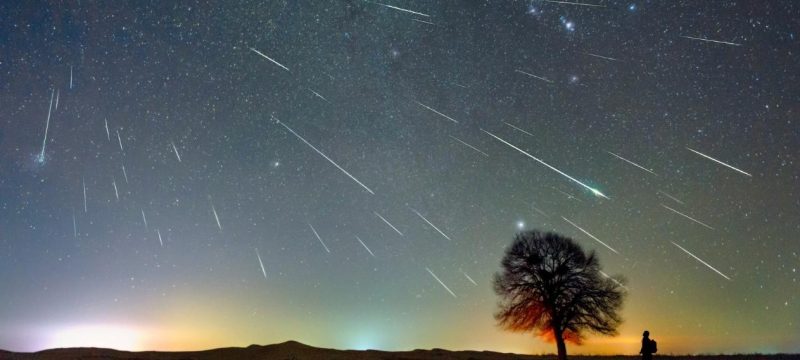
The annual Geminid meteor shower is set to reach its peak on the nights of December 13 and 14, giving skywatchers a bright and reliable display. The event is considered one of the most active meteor showers of the year, and this season offers ideal viewing conditions.
The Geminid Meteor shower becomes active every year between December 4 and 20. Experts say this year’s show will be even better because there will be minimal interference from moonlight. The last quarter moon will appear on December 11, allowing darker skies for observers during the peak nights.
What makes the Geminid meteor shower unique is its origin. Unlike most showers that come from comets, the Geminid Meteor stream comes from an asteroid named Phaethon. This unusual source gives the meteors their bright and colorful appearance, making them stand out in the night sky.
The Geminid meteor shower has been observed for nearly 200 years. The first recorded sighting dates back to 1833. Over time, the shower has grown stronger due to the gravitational pull of Jupiter, which has helped bring the stream of particles closer to Earth. This continues to make the display one of the most dependable sky events each year.
The best views of the Geminid Meteor shower are usually in the Northern Hemisphere. However, people in the Southern Hemisphere can also enjoy the show. The meteors appear to radiate from the Gemini constellation, located northeast of Orion and positioned between Taurus and Cancer.
For the best viewing experience, experts advise looking slightly away from the radiant point. Observers who scan the broader sky may catch brighter meteors with longer trails. These meteors can appear suddenly and often look more dramatic than those near the main radiant.
In other news read more about Google Launches Workspace Studio With AI-Powered Agents
Stargazers are encouraged to find a dark, open area with minimal light pollution. No special equipment is needed. With clear skies and proper timing, viewers can expect one of the most impressive night-sky displays of 2025.