

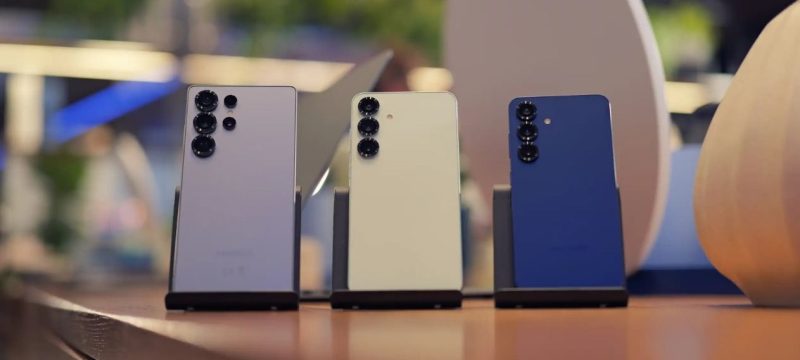
Samsung is preparing to take the smartphone industry by storm with its upcoming Galaxy S26 series. Leaks suggest the device could bring satellite voice calls and advanced connectivity to consumers worldwide. These features aim to enhance communication, even in remote areas.
The rumored satellite connectivity on Galaxy S26 will be powered by the new Exynos 2600 chip. This is Samsung’s first 2nm processor, promising improved performance and energy efficiency. Central to this connectivity is the Exynos Modem 5410, which integrates LTE DTC, NB IoT NTN, and NR NTN for flexible communication options.
NB IoT NTN focuses on low-data tasks like text messaging and location updates. This ensures reliable service in remote regions such as oceans or deserts. LTE DTC adds voice support for satellite communication, while NR NTN is expected to handle higher throughput, enabling satellite video calls in the near future.
Although Samsung has not officially confirmed the Exynos Modem 5410 for the Galaxy S26, it is considered one of the company’s most advanced modems. Built on a 4nm EUV process, it supports 5G NR dual connectivity across sub-6GHz and mmWave frequencies. Peak download speeds may reach up to 14.79Gbps, highlighting its potential for high-speed satellite communication.
With these capabilities, the Galaxy S26 could revolutionize mobile connectivity, making satellite calls and messaging accessible to users anywhere. Analysts believe Samsung is positioning the series to set a new standard for satellite communication in consumer smartphones.
Beyond connectivity, the Galaxy S26 is expected to feature other technological upgrades, including enhanced processing power, improved camera systems, and longer battery life. These advancements could make the device highly competitive in the global premium smartphone market.
In other news read more about: Google Pulls Portrait Settings From Pixel Phone App Before Launch
Industry experts anticipate that once released, the Galaxy S26 will redefine what users expect from mobile devices, bridging the gap between traditional cellular networks and satellite communication. Samsung’s push for innovation in connectivity may pave the way for more satellite-enabled smartphones in the future.