


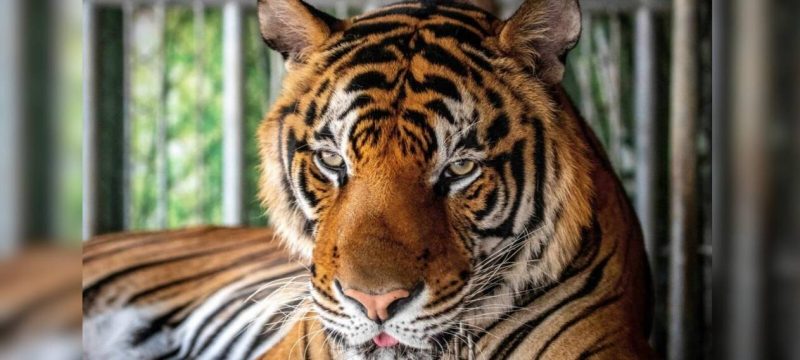
BANGKOK, Thailand – A deadly virus and bacterial infection have killed at least 72 tigers at a private animal park in northern Thailand. Authorities confirmed the outbreak in recent weeks.
The Chiang Mai provincial livestock office said tests revealed the highly infectious canine distemper virus along with bacteria affecting the tigers’ respiratory system. The infections spread quickly, causing significant fatalities in the park.
“When tigers fall ill, it is harder to detect than in cats or dogs. By the time we realized, it was too late,” said Somchuan Ratanamungklanon, director of the national livestock department.
The park, Tiger Kingdom, could not be reached for comment. Its website promotes visitor interactions, including touching and taking photos with the big cats.
Animal rights group PETA Asia criticized the park, saying, “These tigers died the way they lived — in misery, confinement, and fear.” The organization added that reduced tourism could prevent such tragedies.
Experts noted that the combination of the virus and bacterial infection made containment difficult. Tigers are particularly vulnerable because symptoms are harder to detect until late stages of illness.
The outbreak raises concerns about animal welfare and biosecurity in private wildlife facilities. Authorities are urging stricter monitoring and improved veterinary care to prevent further losses.
PETA Asia stressed that visitor-driven businesses that encourage close contact with wild animals increase the risk of disease outbreaks and animal suffering. Limiting human interaction could reduce the spread of infections like the canine distemper virus.
Authorities continue to investigate the deaths and monitor remaining animals for signs of illness. Veterinary teams are implementing measures to contain the outbreak and protect other big cats in the region.
In other news read more about Nipah Virus Causes One Death in Bangladesh, WHO Confirms
This incident highlights the dangers of infectious diseases in captive wildlife and the importance of proper animal care and biosecurity in tourist attractions.