


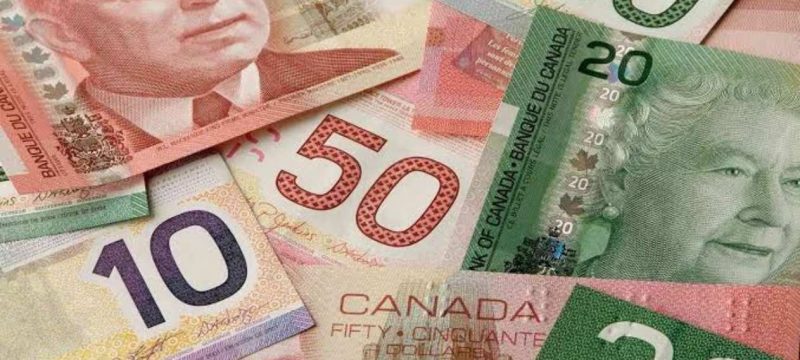
Karachi/Ottawa – February 21, 2026: The Canadian Dollar (CAD) rose to 205.58 Pakistani Rupee (PKR) in today’s open market, showing a modest gain from recent levels near 204–205 PKR. The pair has remained relatively stable over the past month, reflecting steady demand and economic influences on both currencies.
Mid-market rates from major converters such as Wise and XE currently hover around 204.2–204.4 PKR, while local open market figures in Pakistan show slight premiums ranging from 205–207 PKR. Over the last 30 days, the Canadian Dollar has traded between 203 PKR and 207 PKR, averaging in the mid-204s to low-205s. Analysts note that this upward movement is within the normal range for the CAD to PKR pair, reflecting stable investor sentiment.
The rise in the Canadian Dollar is influenced by global commodity prices, especially oil, which benefits Canada’s export-driven economy. Central bank policies, inflation differentials, and overall forex market trends also play key roles. Meanwhile, domestic factors such as inflation and external economic pressures impact the Pakistani Rupee, contributing to the daily fluctuations in the exchange rate.
This strengthening affects trade and remittances. Canadian imports like machinery, agricultural goods, and consumer products become slightly more expensive for Pakistani importers. Conversely, Pakistani expatriates sending remittances from Canada now receive more PKR per Canadian Dollar, providing additional support to household budgets back home.
Experts advise monitoring real-time converters and financial platforms for up-to-date rates, as even small movements in the Canadian Dollar can influence trade costs, remittance values, and travel budgets.
In other news read more about Pakistani Rupee Holds Firm as Dollar Stays Near 279 Level
Investors, travelers, and businesses dealing with Canada-Pakistan transactions should track historical and live data to make informed financial decisions. The CAD’s performance highlights Canada’s strong economic fundamentals, while PKR reflects local economic conditions and global currency trends.