


Scientists have discovered a new species of dinosaur deep in the desert of Niger. The discovery is considered one of the most significant finds in over a century.
Researchers believe the dinosaur lived around 95 million years ago. At that time, large parts of the Sahara were covered with forests and rivers.
The fossil belongs to a giant predator known as Spinosaurus mirabilis. Experts say the creature may have rivaled the famous Tyrannosaurus rex in size.
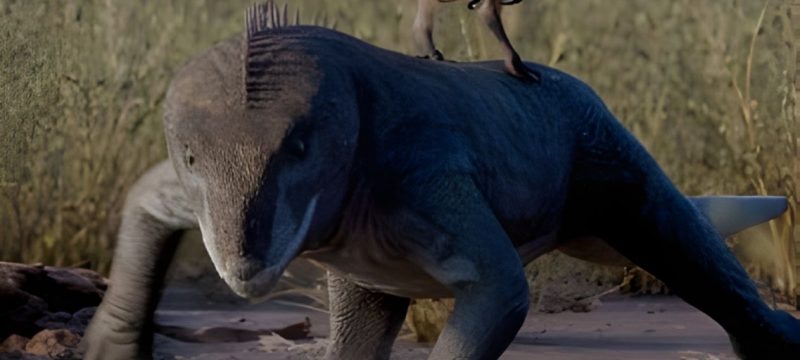
According to scientists, the dinosaur could reach about 40 feet in length. It also had a distinctive blade-shaped crest on its head that measured nearly 20 inches.
Paul Sereno, a paleontologist from the University of Chicago, led the research team. The findings were published in the scientific journal Science.
Sereno described the creature as similar to a large heron because of its body structure. Its long skull, neck, and hind limbs suggested it could move easily in shallow water.
The dinosaur likely fed on fish and other aquatic animals. However, researchers believe it was not a strong swimmer.
Sereno explained that the animal probably waded into rivers or lakes to hunt. He said the fossil evidence does not suggest it was a deep-water diver.
The discovery was made in the Sahara Desert during an expedition that began in 2019. The team was searching an area first explored by French geologist Hugues Faure in the 1950s.
Faure had earlier reported finding a tooth from a large predator called Carcharodontosaurus. That discovery encouraged modern researchers to explore the region again.
Despite using modern technology such as drones and GPS, the team initially found nothing. After days of searching, they prepared to return to their camp.
During this time, a Tuareg man approached the scientists and claimed he knew a location with large bones. The team decided to follow him across the desert.
After traveling for nearly a day and a half, they reached a remote site. There, they discovered enormous fossil remains emerging from the sand.
The scientists found a six-foot-long femur, parts of the jaw, and several teeth. They also uncovered the base of the dinosaur’s unusual crest.
In 2022, the research team returned with a larger expedition. Around 100 scientists and workers joined the excavation, along with 64 Nigerien security guards.
The team carefully uncovered a skull, hind leg fragments, and additional crest pieces. Researchers said the crest structure was unlike anything previously discovered.
Many members of the team described the moment as unforgettable. Some were overwhelmed by the scale of the discovery.
Scientists now believe the dinosaur represents a new species that could reshape understanding of prehistoric life in Africa.
In other news read more about: Don’t Miss March’s Rare Worm Blood Moon Eclipse
Experts say the discovery provides valuable insight into ancient ecosystems that once existed in the Sahara region.