


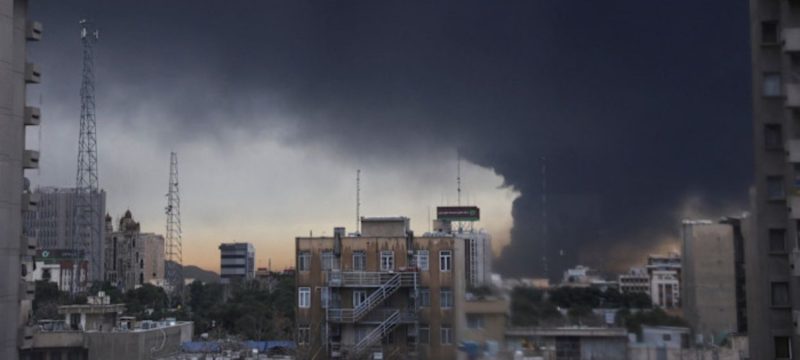
Recent attacks on Iran’s oil reserves by the United States and Israel have sparked environmental concerns. Authorities in Tehran report the presence of black acid rain in the city and surrounding areas.
The Pakistan Meteorological Department (PMD) confirmed that Iran is experiencing severe environmental damage due to these attacks. Black acid rain, experts say, results from high levels of industrial and chemical pollutants released into the atmosphere.
So far, Pakistan has not observed any effects of the acid rain. Authorities continue to monitor weather patterns closely, especially in Balochistan, which is located near southern Iran.
Internet disruptions in Iran are making it difficult to collect local weather data. However, satellite imagery shows that Tehran lies in the northwest, while the southern regions of Iran are closer to Pakistan’s border.
Environmental specialists warn that the black acid rain could have longer-term effects. Carbon emissions from the bombings may increase temperatures in the upper atmosphere. This, in turn, can alter humidity and affect rainfall patterns in neighboring countries.
Despite these risks, experts say the current pollution is not spreading widely. Immediate effects are mostly confined to Iran. Still, the possibility of regional weather changes remains a concern.
Authorities are advising residents in affected areas to take precautions, including minimizing exposure to rainwater that may contain harmful chemicals. Experts emphasize the importance of monitoring the situation over the coming weeks.
The incident highlights the environmental consequences of armed conflicts. Acid rain can damage crops, harm wildlife, and corrode buildings. Continued observation is crucial to prevent potential cross-border impacts.
Officials in Pakistan stress that, while no effects have been detected locally, preparations are underway to respond quickly if acid rain reaches the region.
In other news read more about Iranian Strikes Target Bahrain And Qatar Energy Facilities, Trigger Force Majeure
In conclusion, the black acid rain over Tehran underscores the urgent need for environmental vigilance during conflicts. Authorities will continue monitoring weather patterns to protect both local and neighboring populations from potential hazards.