

Middle East tensions increased early Wednesday as Iran launches new strikes across the region. The attacks included drones aimed at a Saudi oil field and missile fire toward Israel.
The latest escalation follows the ongoing war triggered by joint US and Israeli strikes on Iran. The conflict has quickly spread across several countries and is affecting global energy markets.
According to reports, air defence systems intercepted several projectiles in different areas of the Gulf. Two drones targeting a Saudi oil field were shot down, officials confirmed.
During the same period, Iran launches missiles toward Israeli cities for nearly three hours. Air raid sirens sounded in Jerusalem as explosions were heard across the city.
Emergency officials said there were no immediate reports of serious injuries. However, some local media reported minor injuries in Tel Aviv after the missile strikes.
Iran’s Revolutionary Guards also claimed they targeted locations in Bahrain and Iraqi Kurdistan. Both areas host significant United States military presence.
The situation has also raised concerns about global oil supply. The conflict has pushed energy prices higher and increased fears about disruptions in the Strait of Hormuz.
The United States said it carried out strikes on Iranian vessels suspected of carrying naval mines near the strategic waterway. Washington warned Tehran of serious consequences if the passage is blocked.
The Strait of Hormuz is one of the world’s most important oil shipping routes. Nearly one-fifth of global oil trade passes through the strait each day.
As tensions rise, the International Energy Agency is considering releasing oil reserves to stabilize markets. Reports suggest it could be the largest emergency oil release in the agency’s history.
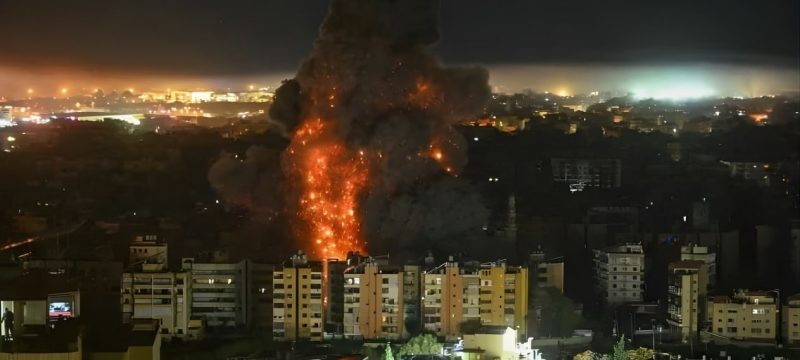
Meanwhile, Israel launched additional strikes in Lebanon and Iran. In Lebanon, officials reported at least 16 people killed and dozens injured in air attacks.
Explosions were also seen near Mehrabad International Airport in Tehran as US-Israeli operations continued.
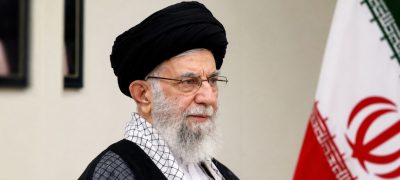
Iranian leaders have made it clear they are not seeking a ceasefire. Parliamentary speaker Mohammad Bagher Ghalibaf said Iran believes the aggressor must face consequences.
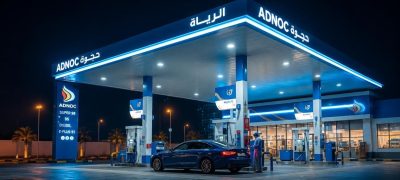
At the same time, Iran launches attacks that have also targeted infrastructure and energy facilities in the Gulf. Some refineries temporarily halted operations as a precaution.
The war is already having global economic effects. Several countries have reported higher fuel prices and supply concerns.
Experts warn that prolonged disruption could harm the world economy. Energy companies and governments are closely watching developments in the region.
In other news read more about Iran Launches Khorramshahr, Kheibar, and Fattah Missiles at Israel
International leaders, including the G7, are expected to discuss the economic impact of the conflict and the worsening global energy situation.