

The International Monetary Fund (IMF) has advised Pakistan against providing general petrol subsidies, citing economic concerns. According to sources, the IMF recommended that any petrol support should be targeted only to low-income households to prevent further strain on the national budget.
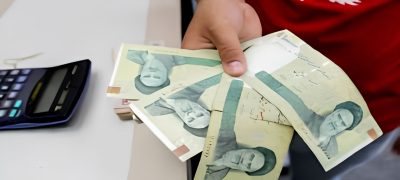
Instead of lowering fuel prices for all citizens, the IMF suggested increasing financial assistance through the Benazir Income Support Programme (BISP). Officials indicated that beneficiaries could receive Rs19,500 from January 2027, up from previous amounts. The federal government has confirmed it will implement these adjustments to meet IMF recommendations.
In addition, following discussions with the IMF, the government temporarily deferred the Federal Excise Duty (FED) on fertilizers and agricultural inputs. Analysts say this move, combined with direct cash transfers, will offer more effective relief to vulnerable households affected by inflation.
The IMF’s advice comes amid rising global fuel prices and ongoing economic challenges in Pakistan. Officials emphasized that targeted subsidies are more sustainable and can help maintain fiscal stability while supporting those in need.
Experts note that broader petrol subsidies may worsen the budget deficit and inflationary pressures. The IMF’s recommendation aligns with global best practices for economic support, focusing on direct assistance rather than price control measures.
Pakistan’s government has assured the IMF that it will continue implementing policies to protect low-income families while maintaining macroeconomic stability. The upcoming adjustments in BISP stipends are expected to reach thousands of households across the country.
In other news read more about Pakistan Engages IMF on Petroleum Levy Adjustment
Overall, the IMF’s guidance underscores the importance of targeted social support programs over blanket subsidies, helping Pakistan balance economic growth with social welfare.