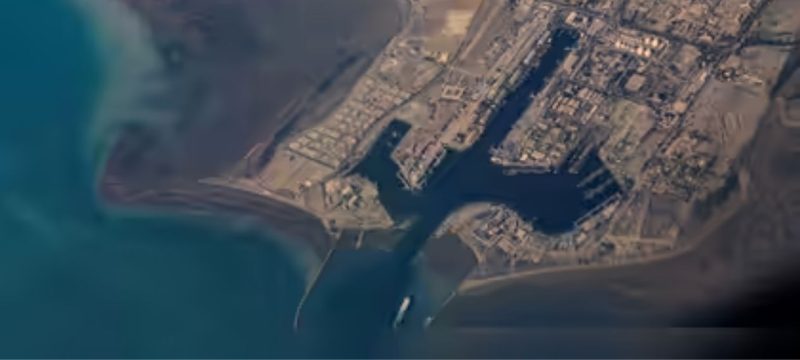
Iran has announced the reopening of the Strait of Hormuz for all vessels for the next two weeks following the ceasefire declaration by US President Donald Trump. The move comes as part of confidence-building measures aimed at stabilizing regional tensions after weeks of conflict and disruption to global energy supplies.
Iranian Foreign Minister Abbas Araghchi, in a statement approved by Iran’s Supreme National Security Council, thanked Prime Minister Shehbaz Sharif and Field Marshal Asim Munir for their diplomatic efforts in helping bring the confrontation toward de-escalation. He described Pakistan’s mediation as instrumental in opening the path toward negotiations.
According to Araghchi, Iran agreed to enter negotiations with the United States after an appeal by Prime Minister Shehbaz Sharif and the presentation of Pakistan’s 15-point proposals. He added that President Donald Trump had also agreed in principle to consider Iran’s 10-point framework as a basis for dialogue.
The Iranian official stated that if attacks against Iran remain halted, Tehran’s armed forces will also suspend defensive military operations. He emphasized that the ceasefire arrangement depends on continued restraint from all sides involved in the conflict.
Iran further confirmed that safe maritime passage through the Strait of Hormuz will be permitted during the two-week period, although certain technical and operational restrictions will remain in place in coordination with Iranian military authorities to ensure security and monitoring.
The temporary closure of the strategic waterway had severe global economic consequences, as nearly 20 percent of the world’s oil trade and a significant portion of global LNG shipments normally pass through the route. During the disruption, up to 12 million barrels of daily oil supply were affected, pushing crude prices sharply higher and increasing global shipping and insurance costs.
Also read: Iran Refuses Pakistan‑Led Mediation as US–Iran Cease‑Fire Talks Stall