


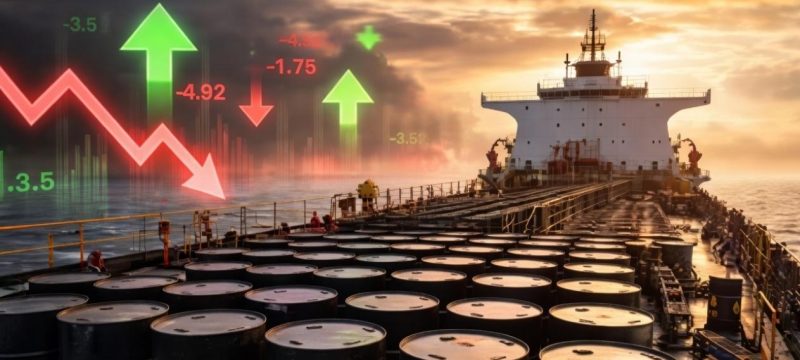
Kuwait has recorded Zero Oil exports for the first time in more than three decades, according to data from a shipping monitor. The development marks a rare halt in crude shipments not seen since the 1991 Gulf War.
Despite continuing production, Kuwait exported Zero Oil during the last month. This situation has raised concerns in global energy markets. The country is a major oil producer and a key supplier to Asian economies.
Kuwait previously produced around 2.7 million barrels per day. Out of this, about 1.85 million barrels were exported. Major buyers included China, India, and South Korea. The sudden drop to Zero Oil exports has disrupted normal supply flows.
The halt in exports follows a force majeure declared by Kuwait Petroleum Corporation on April 17. The decision came after traffic through the Strait of Hormuz was effectively blocked. This disruption is linked to the ongoing conflict involving the United States, Israel, and Iran.
The Strait of Hormuz is a vital global route. It handles nearly one-fifth of the world’s oil and liquefied natural gas shipments. Any disruption in this region directly impacts global supply chains.
According to reports, Kuwait’s oil production has also declined. Output has dropped to around 1.2 million barrels per day as of early May 2026. This decline reflects the broader impact of regional tensions on energy production and exports.
Oil plays a central role in Kuwait’s economy. It contributes nearly 50% to the country’s GDP. Petroleum exports also generate about 90% of government revenue. The continuation of Zero Oil exports could have serious economic consequences if the situation persists.
Global oil prices have surged following the recent conflict. Crude prices have crossed $120 per barrel, reaching levels not seen since 2022. Market analysts believe that ongoing uncertainty in the region is driving the increase.
Negotiations are still underway, but no clear resolution has been reached. The US Navy has maintained a blockade in the region, while Iran has restricted access to certain ships. These actions continue to affect the movement of oil through the Strait.
In other news, read more about: Oil Prices Drop Toward $100 as Iran Sends New Proposal to End US Conflict
The current situation highlights the vulnerability of global energy supply chains. Kuwait’s Zero Oil export status serves as a reminder of how geopolitical tensions can disrupt even the most stable markets.