


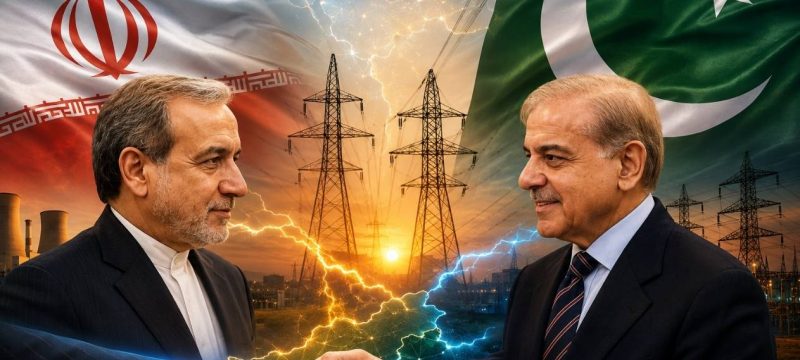
Pakistan is moving forward with plans to increase electricity imports from Iran after the National Electric Power Regulatory Authority (NEPRA) approved a new tariff framework for cross-border power supply.
Under the latest arrangement, Pakistan will receive 104 megawatts of electricity from Iran along with an additional supply of 100 megawatts through Iran’s state-owned electricity company TAVANIR. Officials say the agreement is part of broader efforts to strengthen regional energy cooperation and improve power availability in underserved areas.
The approved framework marks important progress in the import of 100 Megawatts Electricity from Iran under revised agreements between both countries.
According to officials, the arrangement is linked to the long-standing energy cooperation agreement signed between Pakistan and Iran in 2002. Authorities have now updated several terms related to tariffs, payment structures, and transmission systems.
The revised deal also includes improvements in electricity transmission infrastructure to support smoother power delivery between the two countries. Officials believe these upgrades will help ensure more reliable electricity supply in border regions.
The pricing mechanism approved by NEPRA is connected to global oil prices. Authorities estimate that the electricity rate will remain close to 12.40 cents per kilowatt-hour under current market conditions.
Experts say importing 100 Megawatts Electricity from Iran could help improve energy stability in Pakistan’s southwestern areas, especially in Balochistan’s Makran region. The coastal region has faced electricity shortages and supply challenges for many years.
Government officials believe the additional imported power will support homes, businesses, and industries in the affected areas. They also expect the project to improve regional connectivity and strengthen economic cooperation between Pakistan and Iran.
Energy analysts say cross-border electricity imports can help Pakistan manage growing power demand while reducing pressure on local generation systems. They added that regional cooperation remains important for long-term energy security.
The project is also being viewed as part of wider efforts to modernize Pakistan’s energy sector through diversified supply sources and infrastructure development.
Authorities further stated that stable electricity supply is necessary for economic growth, industrial development, and improved public services in remote regions.
The approval of the tariff framework means Pakistan can now move ahead with operational planning and implementation stages for the imported supply.
Officials say the import of 100 Megawatts Electricity from Iran is expected to provide relief to consumers in areas facing frequent power shortages and improve overall energy reliability in the region.
In other news read more about: Pakistan Pushes for Early Launch of Direct Flights to the US, Says Naqvi
The development reflects ongoing efforts by both countries to expand cooperation in the energy sector and strengthen long-term regional partnerships.