

Lucky Motors is preparing to enter Pakistan’s growing electric vehicle market through a new partnership with Chinese automaker GAC. The company plans to launch several electric vehicle models and begin local assembly by the end of 2026.
The announcement comes at a time when fuel prices in Pakistan continue to rise sharply. Consumers are increasingly looking for alternatives to conventional petrol-powered vehicles due to growing transportation costs.
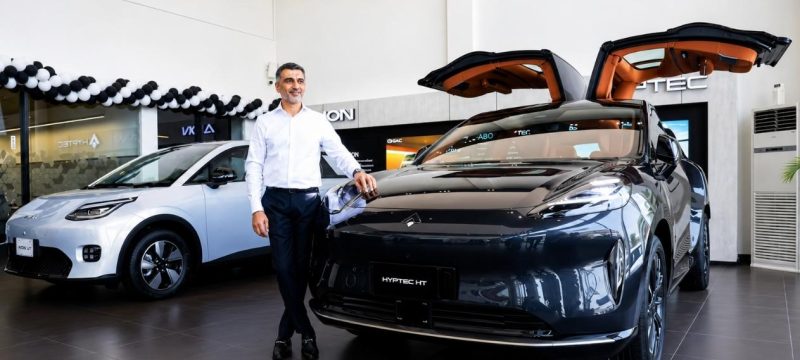
According to Reuters, Lucky Motors CEO Muhammad Faisal said the current energy situation is encouraging people to shift toward electric vehicles. He said rising fuel prices have changed consumer thinking in recent years.
“Every crisis has an opportunity,” Faisal said while discussing the changing market trends in Pakistan. He explained that high fuel costs are helping consumers transition faster toward electric and new energy vehicles.
Under an agreement with China’s Guangzhou Automobile Group (GAC), Lucky Motors has started displaying four electric vehicle models across Pakistan. These include vehicles from GAC’s Aion and Hyptec brands.
Lucky Motors plans to begin assembling these EVs locally as early as December 2026. The company already assembles Kia and Peugeot vehicles at its Karachi production facility. It is also a subsidiary of Lucky Cement, one of Pakistan’s largest business groups.
The company expects strong public interest in the imported GAC vehicles. Faisal said the first shipment includes a sizeable number of units and could sell out within two months.
Electric vehicles still represent a small part of Pakistan’s car market. Japanese and Korean brands currently dominate vehicle sales across the country. However, the electric vehicle sector is growing steadily, especially in motorcycles and scooters.
Experts believe Pakistan’s growing use of solar energy may support EV adoption further. Faisal noted that many urban buyers now have rooftop solar systems installed at home. This allows them to charge vehicles overnight at lower costs.
Lucky Motors is mainly targeting urban consumers who already use solar energy. The company believes home charging could become one of the biggest advantages for electric vehicle owners in Pakistan.
The firm is also considering battery-swapping technology in the future. This system would allow drivers to replace empty batteries with fully charged ones within minutes. If introduced, it would be the first battery-swapping network in Pakistan.
In addition, Lucky Motors and GAC are discussing the possibility of exporting locally assembled vehicles to other right-hand drive markets. Faisal said these discussions are still in the early stages.
The company is also studying local battery manufacturing for EVs. Officials are waiting for the government to announce a detailed policy before making a final decision.
In other news read more about: Fire Breaks Out in Metro Bus Near Rawalpindi’s Sixth Road
Pakistan has set a target of achieving 30% EV sales by 2030. The government has also pledged around $400 million for the installation of more than 3,000 public charging stations nationwide.