


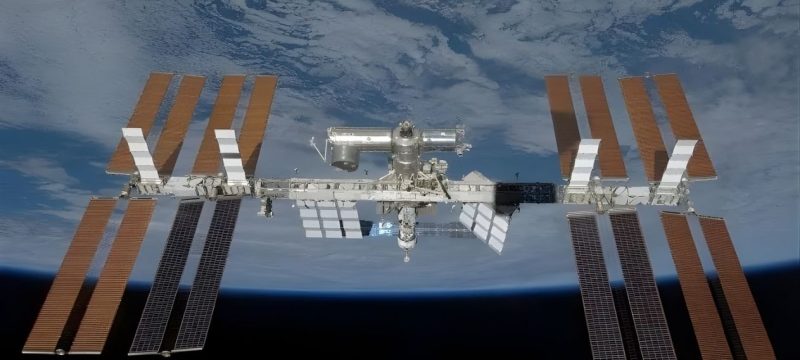
WASHINGTON – A growing air leak aboard the International Space Station (ISS) briefly triggered emergency procedures on Friday, prompting astronauts to prepare for a possible evacuation. However, the situation was later reassessed, and NASA canceled the precautionary order after further review.
According to NASA, five astronauts were instructed to move into a docked SpaceX Crew Dragon spacecraft as a safety measure. The order was issued after an increase in the rate of air leakage from a section of the station operated by Russia.
The astronauts entered the spacecraft at around 9:04 a.m. Eastern Time. The crew remained there for nearly two hours while engineers and mission controllers monitored the situation. Later, NASA informed the astronauts that they could safely return to their normal duties aboard the station.
The air leak is linked to Russia’s Zvezda service module, an important section of the ISS. Officials from NASA and Russia’s space agency, Roscosmos, have been discussing the source of the leaks and possible repair methods for several months.
Roscosmos reported that experts identified two separate leaks. One leak was sealed quickly, while preparations were made to address the second. The agency stated that there was no immediate danger to the crew or station systems.
Although the leaks had been minor in recent months, officials said the situation changed on Friday. The rate of air loss reportedly doubled, increasing concerns among mission teams monitoring the station.
The ISS currently houses seven astronauts from two different missions. The Crew-12 team includes American astronauts Jessica Meir and Jack Hathaway, European Space Agency astronaut Sophie Adenot, and Russian cosmonaut Andrey Fedyaev. Another crew includes American astronaut Christopher Williams and Russian cosmonauts Sergey Kud-Sverchkov and Sergei Mikayev.
Reports indicate that Russian specialists planned a repair method involving access to a suspected crack. However, NASA officials reportedly had concerns about the approach. As a result, mission control in Houston ordered the crew to follow safe-haven procedures while discussions continued.
Later, Roscosmos paused its repair efforts, allowing NASA to lift the evacuation readiness order. Both agencies said they would continue working together to find a long-term solution.
In other news read more about NASA Plans New Moon Fire Safety Mission Ahead of Artemis Human Return
Meanwhile, lawmakers in the United States are considering legislation that would extend the station’s operational life until 2032. Supporters say the extension would provide additional time for commercial companies to develop future space stations and help maintain a strong presence in space.