

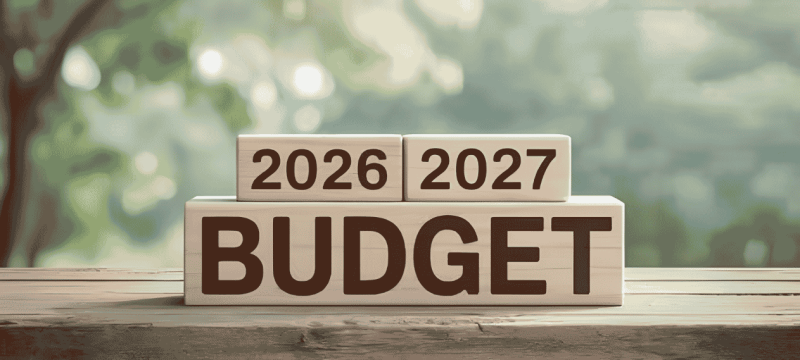
The upcoming budget proposals include a wide range of fiscal changes affecting salaries, taxes, and key sectors. Officials are reviewing measures aimed at providing relief to the salaried class while balancing revenue needs.
One of the Key highlights of the budget is an expected 10% increase in salaries for government and private sector employees. Income tax relief is also under consideration for individuals earning between Rs1.2 million and Rs2.2 million annually. This move may reduce the overall tax burden on middle-income earners.
Another important point among the Key highlights is the possible reduction in Super Tax. However, Corporate Income Tax is expected to remain unchanged under the proposed plan. These adjustments aim to support business stability while improving tax compliance.
Prices of some consumer goods may also see a decline. Items such as cosmetics, shampoo, soap, face powder, and mascara could become cheaper due to revised tax structures. On the other hand, electric vehicles, hybrid vehicles, and plug-in hybrids are expected to become more expensive due to new levies.
Revenue targets show strong expectations from multiple sources. Direct taxes are projected at Rs7.413 trillion. Sales tax may reach Rs4.727 trillion, while customs duty and federal excise duty are also expected to contribute significantly. Petroleum Development Levy targets may rise to Rs1.727 trillion.
Debt servicing remains a major fiscal burden. Domestic debt servicing is estimated at Rs6.652 trillion, while external debt servicing may reach Rs1.107 trillion. These payments continue to consume a large portion of the national budget.
Among the Key highlights is the introduction of new taxes worth Rs220 billion. At the same time, adjustments in income tax slabs are expected to benefit salaried individuals. The government is also considering abolishing the 10% surcharge on high-income earners.
Social protection spending will also increase. The Benazir Income Support Programme (BISP) may receive Rs838 billion. The quarterly stipend could rise from Rs13,000 to Rs14,500, offering additional relief to low-income families.
Automobile sector reforms are also part of the plan. Environmental levies will be imposed on luxury vehicles, while duties on imported auto parts may be reduced to support local manufacturing. However, hybrid vehicles made locally may face higher sales tax.
Another one of the Key highlights is the gradual reduction of import taxes on SUVs and jeeps over the next five years. Climate levies on petroleum products are also expected to double from Rs2.5 to Rs5 per litre.
Overall, the budget outlines major fiscal reforms aimed at balancing economic growth, revenue generation, and public relief.
In other news read more about: Pakistan Federal Budget 2026-27 to Be Presented on June 12