

ISLAMABAD – The Pakistan government has announced a fresh reduction in fuel prices, providing some relief to consumers across the country. The revised rates will come into effect from June 13, 2026, according to a notification issued by the Petroleum Division.
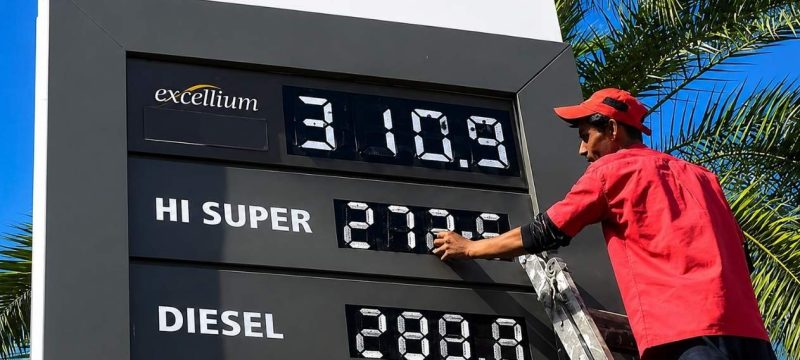
Under the latest review, the price of Petrol has been reduced by Rs. 4 per litre. The previous rate of Petrol was Rs. 377.78 per litre. After the latest adjustment, the new Petrol price has been fixed at Rs. 373.78 per litre.
The government has also lowered the price of High-Speed Diesel (HSD). The rate of HSD has been cut by Rs. 2 per litre. The previous diesel price stood at Rs. 380.78 per litre, while the new rate has been set at Rs. 378.78 per litre.
The price revision is part of Pakistan’s regular fortnightly fuel pricing mechanism. Under this system, fuel rates are reviewed every two weeks. The government adjusts local prices based on changes in international oil markets and currency exchange rates.
Officials said the latest reduction reflects recent movements in global crude oil prices. Exchange rate trends are also considered when determining domestic fuel costs. These factors help authorities decide whether fuel prices should increase or decrease during each review period.
The reduction in Petrol prices is expected to provide modest relief to motorists and transport operators. Lower fuel costs may also help reduce transportation expenses for businesses. However, experts believe the impact on overall inflation may remain limited.
Fuel prices play an important role in the cost of goods and services across the country. Any change in Petrol and diesel rates can influence transportation charges and supply chain costs. As a result, consumers often closely follow fuel price announcements.
In other news read more about: Govt Hikes Duty on Vapes and E-Cigarette Flavors in Budget 2026
The newly announced rates will remain effective until the next official review. The government is expected to conduct another assessment later this month to determine whether further changes are required based on global market conditions.