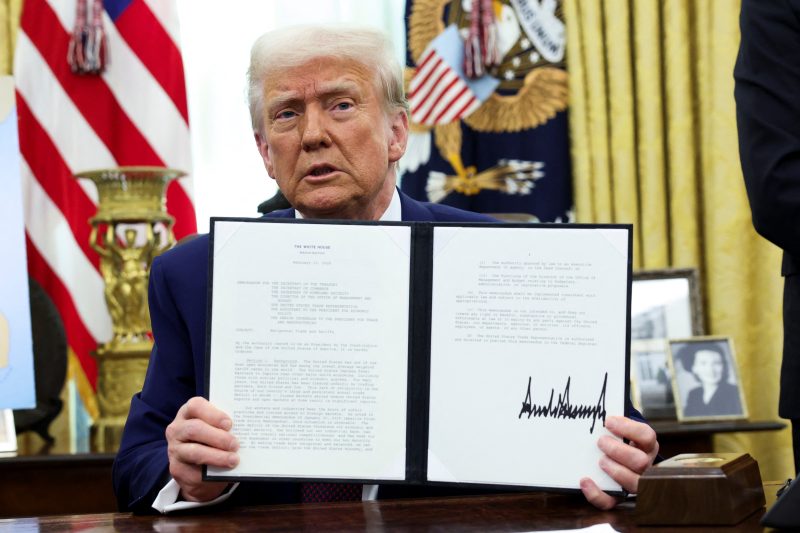
Global trade has entered another period of uncertainty as U.S. President Donald Trump unveils a fresh wave of tariff measures targeting several trading partners. The latest policy changes mark a significant shift in America’s trade strategy and could influence everything from manufacturing costs to global supply chains and consumer prices.
While tariffs have long been a cornerstone of Trump’s economic agenda, the newest proposals suggest the administration is preparing for a broader restructuring of international trade relationships. Businesses, investors, and governments worldwide are now assessing what these developments could mean for economic growth and cross-border commerce.
A New Phase in U.S. Trade Policy
The latest tariff package comes as previous temporary measures near expiration. Reports indicate the Trump administration is preparing duties on imports from dozens of countries while also pursuing new legal mechanisms to strengthen its authority to impose trade restrictions.
Unlike earlier rounds of tariffs, the current strategy is expected to rely more heavily on established trade laws, giving the administration greater flexibility to target industries and countries it believes engage in unfair trade practices.
The move reflects Washington’s continued effort to protect domestic manufacturing while reducing dependence on foreign supply chains.
Why Are New Tariffs Being Introduced?
According to the administration, the primary objectives include:
- Encouraging companies to manufacture more products inside the United States.
- Reducing trade deficits with major trading partners.
- Protecting strategic industries from foreign competition.
- Increasing leverage in ongoing trade negotiations.
Supporters argue these measures will strengthen American industry and create new jobs, while critics warn they could increase costs for businesses and consumers.
Which Countries Could Be Affected?
Although details continue to evolve, reports suggest the tariff strategy could affect imports from numerous economies, including major U.S. trading partners.
Recent actions have already included:
- New tariffs on selected Brazilian imports.
- Additional duties on various Canadian products.
- Continued reviews involving China, the European Union, Mexico, Japan, South Korea, and India.
The breadth of the proposed measures indicates the administration is pursuing a wider trade agenda rather than focusing on a single country.
Impact on Global Supply Chains
Modern manufacturing depends on complex international supply chains.
Many companies source raw materials from one country, manufacture products in another, and sell them globally. New tariffs increase costs at multiple stages of this process.
Businesses may respond by:
- Diversifying suppliers.
- Relocating production facilities.
- Passing higher costs to consumers.
- Delaying investment decisions until trade policies become clearer.
These adjustments could take months or even years to fully materialize.
Financial Markets React Cautiously
Interestingly, financial markets have shown relatively limited volatility despite the announcements.
Investors appear focused on broader economic fundamentals, including inflation, corporate earnings, and interest rate expectations, rather than reacting solely to tariff headlines.
However, analysts caution that prolonged trade disputes could eventually weigh on business confidence and global economic growth.
Winners and Losers
Certain industries may benefit from stronger protection against foreign competition.
Potential beneficiaries include:
- Domestic steel and aluminum producers.
- Selected manufacturing companies.
- Some defense and industrial suppliers.
- Businesses producing goods previously dominated by imports.
On the other hand, industries that rely heavily on imported materials could face higher operating costs.
Retailers, automobile manufacturers, electronics companies, and agricultural exporters may experience greater pressure if trading partners introduce retaliatory measures.
Global Response
Trading partners are closely monitoring Washington’s latest moves.
Some governments are expected to continue negotiations aimed at reducing trade barriers, while others may consider retaliatory tariffs if agreements cannot be reached.
Recent discussions involving North American trade and other bilateral negotiations suggest governments remain interested in finding solutions that minimize disruption to global commerce.
What Investors Should Watch
The coming weeks will be crucial for global markets.
Investors should monitor:
- Official implementation dates.
- New trade negotiations.
- Corporate guidance during earnings season.
- Inflation data.
- Supply chain adjustments.
- Responses from major trading partners.
These factors will determine whether the tariff measures become a short-term negotiating tool or a longer-term feature of global trade.
Outlook
Trump’s latest tariff strategy represents another significant chapter in the evolution of international trade policy. While the administration believes the measures will strengthen domestic industries and improve America’s competitive position, businesses worldwide must prepare for higher uncertainty and potentially rising costs.
For now, markets remain cautiously optimistic, but the full economic impact will depend on how trading partners respond and whether negotiations can prevent a broader escalation in global trade tensions.