


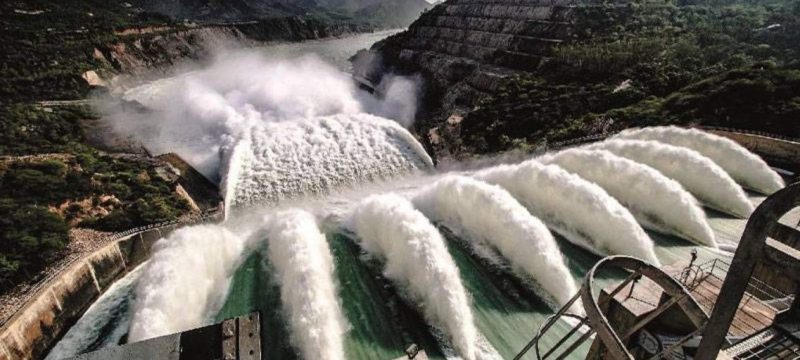
ISLAMABAD: Pakistan Dams are currently 58 percent full as the country prepares for another spell of widespread monsoon rainfall. Authorities have warned that heavy rains could increase the flood risk across several regions until July 25.
The update was shared during a meeting of the Senate Standing Committee on Water Resources. Officials from the Federal Flood Commission (FFC) said the overall water storage situation remains under control despite rising river flows.
According to officials, Tarbela Dam has reached 69 percent of its storage capacity. Mangla Dam is currently 45 percent full. These figures contribute to the overall storage level of Pakistan Dams, which stands at 58 percent.
The FFC informed lawmakers that the Chenab River is experiencing high water flows following recent rainfall. However, officials said the river remains below the danger level. At the same time, low flood conditions have been recorded in the Sindh region and the Jhelum River.
Officials assured the committee that the current water situation remains manageable. However, they stressed that continuous monitoring is necessary because another round of heavy monsoon rain is expected in the coming days.
The committee was also informed about challenges in cross-border flood monitoring. Officials said India has stopped sharing flood-related information with Pakistan after unilaterally suspending the Indus Waters Treaty. This has reduced Pakistan’s access to upstream river data.
Indus Waters Commissioner Syed Mehr Ali Shah told lawmakers that there is no indication India has released additional water into shared rivers. However, Pakistan is no longer receiving official flood information through Indian channels.
Officials explained that the Federal Flood Commission is now relying on alternative data sources and its own monitoring systems. They said official Indian websites used for river information are currently inaccessible in Pakistan.
Members of the committee expressed concern over reports regarding Indian dam operations. They emphasized the importance of improving Pakistan’s flood forecasting and early warning systems to better protect vulnerable communities.
Officials also highlighted the limitations of the country’s water infrastructure. They said Pakistan Dams can currently absorb only around 20 percent of floodwater during major rainfall events. This means reservoirs have limited capacity to prevent downstream flooding when river levels rise significantly.
The committee received an update on recent weather-related emergencies across the country. Between July 2 and July 20, Pakistan experienced several flood incidents in different regions.
These incidents included glacial lake outburst floods (GLOFs), flash floods, cloudbursts, and riverbank erosion. The affected areas included Gilgit-Baltistan, Khyber Pakhtunkhwa, and Punjab.
With another spell of heavy rainfall forecast, Senator Jam Saifullah Khan sought details about the government’s preparedness. He asked officials about emergency planning and flood response measures for the coming days.
The committee also directed senior irrigation officials from Punjab and Sindh to attend future meetings in person. The instruction came after lawmakers expressed dissatisfaction over one official participating through a video link.
In other news read more about Punjab Launches First-Ever Drone Monitoring System For Early Flood Warning
Authorities said they will continue monitoring river levels and reservoir conditions closely. They urged provincial departments to remain prepared as the country faces another phase of the ongoing monsoon season.