

A social media post with just six words has grown into one of the biggest Gen Z protest movements in India in recent years. The movement has drawn thousands of young people to the streets, demanding greater government accountability over unemployment and exam paper leaks.
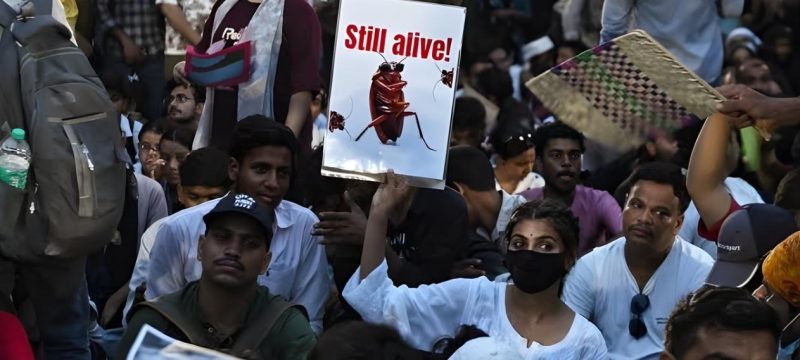
The movement began after political communications strategist Abhijeet Dipke, 30, shared a post on X on May 16. His message, “What if all cockroaches come together?”, was a satirical response to comments made by Supreme Court judge Surya Kant. The judge had compared unemployed youth to “cockroaches” during a speech, although he later said his remarks had been misunderstood.
Dipke’s post quickly went viral and inspired the creation of a satirical online platform called the Cockroach Janta Party (CJP). The platform became a rallying point for millions of young Indians frustrated with unemployment, repeated exam paper leaks, and demands for better governance. The Gen Z protest soon expanded from social media to large public demonstrations.
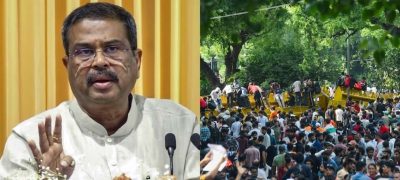
In recent days, tens of thousands of protesters gathered in New Delhi. They demanded the resignation of Indian Education Minister Dharmendra Pradhan following the leak of the country’s medical entrance examination. Around two million students were affected by the incident. Reports also linked the controversy to several student suicides, increasing public anger.
The demonstrations continued until Pradhan resigned on Saturday. Many protesters viewed the resignation as a major victory for the student movement. It has also been described as one of the biggest political setbacks for Prime Minister Narendra Modi since taking office in 2014.
The Gen Z protest was not limited to the capital. Demonstrations were also reported in other cities, including Mumbai. The movement has continued to gain support from students, young professionals, and civil society groups.
Dipke, who had been living in Boston, United States, returned to India in early June to join the protests. Since then, he has become the most recognized face of the movement. Standing at the protest site near Delhi’s Jantar Mantar, he regularly addresses crowds and urges participants to remain peaceful.
Born in Aurangabad, Maharashtra, Dipke comes from a Dalit family. He has spoken publicly about his family’s modest background and how it shaped his political views. When he arrived in Delhi, he carried a copy of “My Autobiography” by B.R. Ambedkar, a leading advocate for Dalit rights and one of the architects of India’s Constitution.
Dipke previously worked with the social media team of the Aam Aadmi Party (AAP) in 2020. During that time, he developed a communication style based on humor, memes, and satire. Although he is no longer associated with the party, AAP and several opposition parties have expressed support for the movement.
The online campaign also gained momentum with help from Delhi-based YouTuber Meghnad S. He and a friend used artificial intelligence tools to build a satirical website for the Cockroach Janta Party shortly after Dipke’s viral post. The movement’s Instagram account rapidly attracted millions of followers, reflecting its widespread appeal among young people.
In other news read more about Alcohol Industry Loses Over $830 Billion in Four Years as Gen Z Drinks Less
Despite receiving threats against himself and his family, Dipke decided to return to India. He has said he will remain with the protesters until students receive justice. As the Gen Z protest continues, its organizers say the movement is focused on peaceful demonstrations and pushing for greater accountability in India’s education system and public institutions.