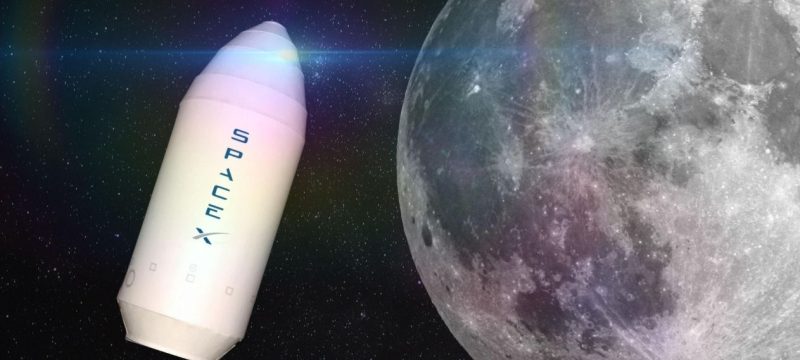
A large piece of SpaceX rocket hardware has reportedly crashed into the Moon, creating a rare event that has attracted worldwide scientific attention. Researchers believe the impact could provide valuable information about how human-made objects interact with the lunar surface.
The rocket fragment, identified as the upper stage of a Falcon 9 rocket, struck the Moon after drifting through space on an unexpected path. Scientists described the collision as an unusual opportunity to study the effects of space debris beyond Earth.
The object weighed about four tonnes and was travelling at nearly 2.43 kilometres per second, or around 5,400 miles per hour. It was expected to hit the Moon near the Einstein Crater. Experts predicted the impact would occur at approximately 07:35 BST.
Despite the anticipation, the collision was not recorded live. No spacecraft orbiting the Moon was in the right position to observe the moment of impact. Scientists are now waiting for images and data from telescopes and lunar missions to confirm the exact location and effects of the crash.
Researchers expect the impact may have created a fresh crater and a large cloud of lunar dust. By comparing images taken before and after the event, scientists hope to identify the newly formed mark and measure the extent of the damage.
According to NASA, the incident poses no risk to Earth. However, the agency considers it an important scientific opportunity. The information gathered could improve future methods for tracking objects travelling through deep space and strengthen space monitoring systems.
The SpaceX rocket fragment came from a Falcon 9 mission launched in January 2025. That mission successfully carried lunar landers and scientific equipment into space. While the reusable first-stage booster returned safely to Earth, the upper stage remained in space and eventually entered a collision course with the Moon.
The expected impact site is located near Einstein Crater on the Moon’s sunlit side. Although this region is visible from Earth, experts said the impact itself could not be seen with the naked eye. Only advanced telescopes may detect signs of the collision.
Spacecraft including NASA’s Lunar Reconnaissance Orbiter and South Korea’s Danuri lunar probe are expected to examine the area. Their observations may reveal the size of the new crater and provide more details about the dust produced by the impact.
Astronomers have described the event as a natural experiment. The collision could improve understanding of the Moon’s surface and help scientists prepare for future lunar exploration missions.
The incident has also renewed concerns about the growing amount of space debris. Experts warn that more missions by governments and private companies are increasing the number of abandoned objects in space.
Scientists estimate that around 3,000 human-made objects are already on or around the Moon. Their combined weight is believed to be close to 190 tonnes. Researchers say better management of space debris will be essential as exploration activities continue to expand.
In other news read more about Kim Jong Un Oversees Strategic Missile Launch During Naval Warship Tests
The latest SpaceX incident highlights both the scientific value and the environmental challenges of modern space exploration. Experts believe the findings from this rare lunar impact could help shape future missions and improve efforts to monitor objects beyond Earth.