


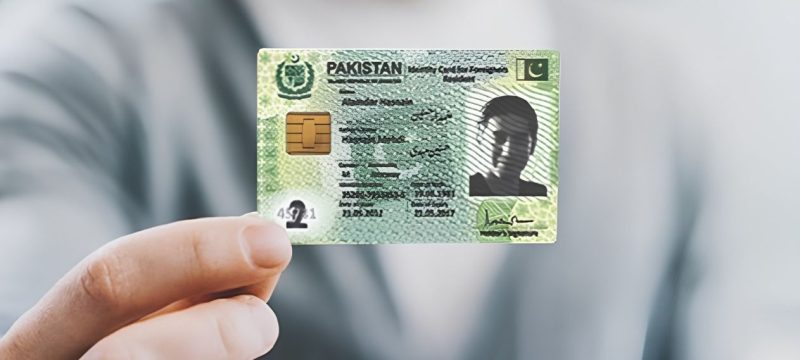
The National Database and Registration Authority (NADRA) has introduced a new chipless National Identity Card. The new card uses a secure QR code for digital identity verification.
The card has been produced locally by the National Security Printing Company (NSPC) in Karachi. Its production follows NADRA’s technical and security requirements.
The new design removes the need for an imported microchip. It also reduces dependence on foreign-sourced technology for identity cards.
The Federal Government approved the new card on February 23, 2026. The QR code will support faster and more convenient identity verification.
Users will be able to scan the QR code using a smartphone. Verification will be available through the Pak Identity (PakID) mobile application.
The QR code will contain important information about the cardholder. It will also include the cardholder’s photograph.
This feature will help authorized institutions collect identity details more efficiently. It can also reduce mistakes during manual data entry.
The card will display several additional identity-related details. These include the family number and special identification symbols.
The symbols will identify persons with disabilities, senior citizens and organ donors. A symbol will also identify citizens of Azad Jammu and Kashmir.
The cardholder’s name and address will appear in both Urdu and English. NADRA has also updated the card’s visible and hidden security features.
These changes aim to meet modern security requirements. They also support Pakistan’s growing ability to manufacture secure identity documents locally.
The previous chip-based Smart National Identity Card was introduced around 14 years ago. However, its chip functions faced practical limitations.
Many institutions did not have the required chip readers or supporting infrastructure. As a result, the chip-based features could not be fully utilized.
The new QR-based system is designed to overcome this limitation. It can work with an ordinary smartphone or suitable camera-based software.
Telecom companies, banks and hospitals will receive software for QR code verification. Pakistan Railways, police and other authorized institutions will also receive access.
NADRA Launches the new card in phases across different identity document categories. The first phase begins on August 14, 2026.
During this phase, the new card will replace the standard National Identity Card. Other identity card categories will move to the new format later.
From January 2027, NADRA will expand the QR-based system to other categories. These will include NICOP and Juvenile Cards.
The final phase will cover the Pakistan Origin Card (POC). It will also transition to the chipless QR code-based format.
The new system is expected to make identity verification more accessible. It also aims to improve security and reduce reliance on imported components.
In other news read more about NADRA Explains How to Update Marital Status Through PakID App
With the phased rollout, NADRA Launches a locally produced identity solution for millions of citizens. The move marks a shift toward smartphone-based digital verification in Pakistan.