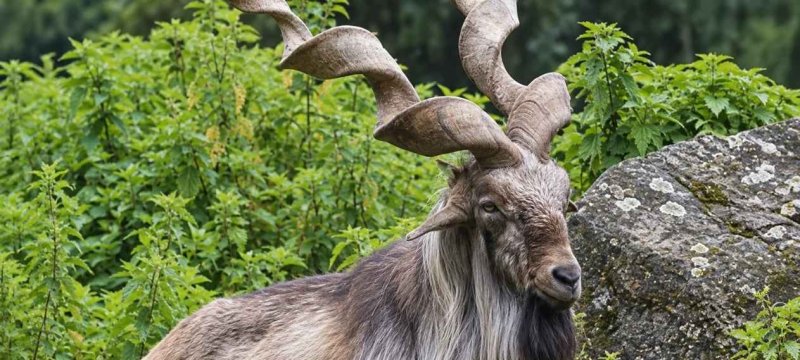
Khyber Pakhtunkhwa (KP) has generated a record Rs335.6 million through four Markhor hunting permits. The revenue highlights the financial potential of the province’s regulated wildlife conservation programme. The system allows selected animals to be hunted under specific conditions while supporting efforts to protect wildlife populations.
The permits are issued through a regulated trophy hunting programme. This approach aims to connect wildlife management with economic benefits for communities living near natural habitats. Markhor hunting operates under established rules intended to support conservation and manage hunting activities.
The latest revenue figure reflects the economic value of Pakistan’s wildlife resources. It also highlights how conservation programmes can generate funds beyond traditional tourism activities. However, the long-term success of such programmes depends on effective regulation and sustainable wildlife management.
How Markhor Hunting Supports Conservation
The trophy hunting system allows permits for selected animals under a regulated process. Revenue generated through these permits helps support conservation activities. A portion of the money is also directed towards local communities living near wildlife habitats.
These funds can contribute to community development and conservation projects. Local residents may benefit from improvements supported by the revenue. The programme also creates a financial link between protecting wildlife and supporting communities near natural habitats.
Community participation can play an important role in conservation efforts. When residents receive benefits from wildlife programmes, they may have stronger incentives to protect local species and their habitats. Effective monitoring remains important to ensure that hunting activities follow established rules.
Markhor Holds National Wildlife Significance
The Markhor is Pakistan’s national animal and an important part of the country’s wildlife heritage. It is widely recognised for its distinctive spiral-shaped horns. The species lives in mountainous areas and is associated with Pakistan’s natural landscapes.
Protecting the Markhor requires suitable habitats and responsible wildlife management. Conservation programmes can support these efforts by providing resources for monitoring and community initiatives. Regulated hunting is one approach used in certain areas to generate funding for these purposes.
The species also represents an important part of Pakistan’s natural identity. Its conservation has implications for biodiversity and the protection of mountain ecosystems. Continued management is necessary to maintain healthy wildlife populations.
Economic Benefits and Sustainable Wildlife Management
KP’s Rs335.6 million revenue from four permits demonstrates the financial value of its trophy hunting programme. The model combines controlled hunting with funding for conservation and local development. Its broader benefits depend on how revenue is distributed and how effectively wildlife populations are monitored.
Markhor hunting remains a subject that requires careful management to balance economic interests with wildlife protection. Authorities must ensure that permits follow applicable regulations and conservation objectives. Transparent revenue distribution can also help local communities understand and benefit from the programme.
In other news read more about GB to Auction Trophy Hunting Permits for Markhor, Ibex
The latest earnings highlight the potential of wildlife conservation to support both environmental and economic goals. Maintaining this balance will remain important for protecting Pakistan’s national animal and its natural habitats over the long term.