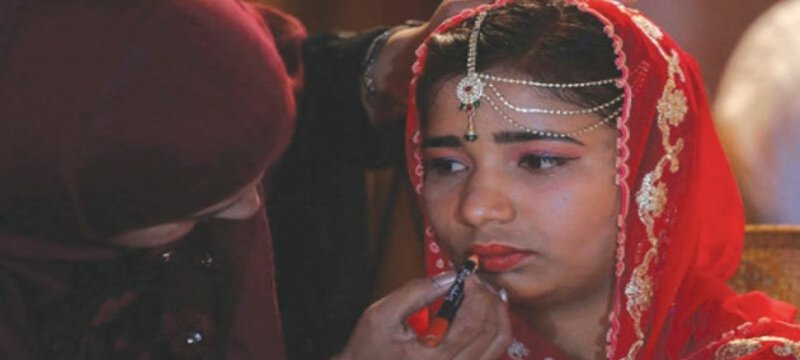
More than 24% of women in Sindh were married before turning 18, while 7.5% entered marriage before the age of 15. These figures were reported in a national study examining child rights and early marriages in Pakistan.
The findings are part of The State of Children in Pakistan 2024. The report was prepared by the National Commission on the Rights of Child (NCRC) with support from UNICEF. It highlights concerns about child marriage and its impact on young people across the country.
The report also points to a significant gender gap in early marriages in Sindh. Among males, 8.5% were married before reaching the age of 18. Meanwhile, 2.2% entered marriage before turning 15. The figures show that early marriage affected both genders, although the reported rates were higher among females.
According to the report, the statistics for Sindh are based on the Multiple Indicator Cluster Survey conducted in 2018–19. Therefore, the data reflects the situation during that period. It should not be considered a current estimate of child marriage prevalence in 2026.
The broader research examined child rights issues through interviews and group discussions. More than 400 participants took part in the process. They included men, women, boys, girls and other relevant individuals from different social backgrounds. The research covered Punjab, Sindh, Khyber Pakhtunkhwa and Balochistan.
The report identifies several factors that contribute to child marriage in Pakistan. These include poverty, limited access to education, social expectations and gender inequality. Such challenges can increase pressure on families to arrange marriages before children reach adulthood.
Limited educational opportunities can also affect children’s choices and future prospects. Poverty may further encourage families to consider early marriage as a response to financial difficulties. Meanwhile, cultural expectations and unequal gender roles can influence decisions involving young girls and boys.
The report stresses that child marriage cannot be viewed solely as a private family matter. Instead, it is connected to broader socioeconomic conditions and cultural practices. Addressing these underlying issues remains important for protecting children’s rights and improving their access to education and opportunities.
In other news read more about Mustafa Kamal Orders Investigation Into Sindh MDCAT 2026 Results
The findings highlight the need for continued attention to child protection across Sindh and other provinces. Better access to education, efforts to reduce poverty and greater awareness of children’s rights could help address the factors associated with early marriage.