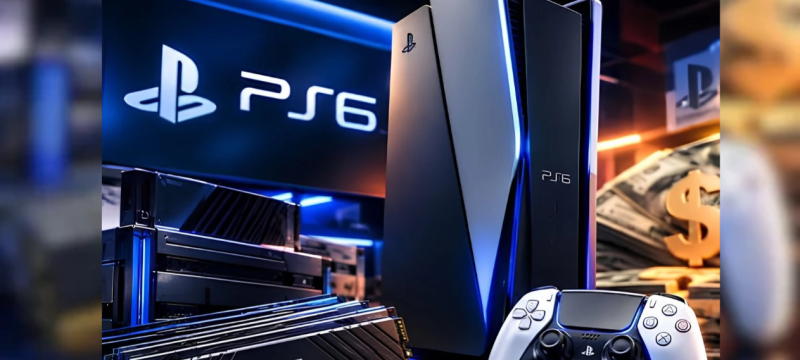
Sony could face a major pricing challenge with its next-generation PlayStation 6 (PS6). The console’s RAM and NAND storage alone could cost more than $680 per unit. This estimate comes from hardware insider KeplerL2, who shared the claim on the NeoGAF forum.
KeplerL2 has previously shared accurate information about AMD hardware. According to the insider, memory and storage components were significantly cheaper when Sony finalized the console’s design. However, rising component prices could now create financial pressure for the company.
The potential increase raises questions about how much Sony might charge for its next gaming console. The final price will depend on several factors, including hardware costs, manufacturing expenses, and Sony’s pricing strategy.
Memory and storage prices have increased sharply in recent years. One major factor is growing demand from artificial intelligence data centers. These facilities require large amounts of memory and storage hardware, increasing competition for available components.
The rising costs have also affected consumer electronics. Sony has already increased the price of its current-generation PlayStation 5. The console now costs more than 50% above its original launch price, following increases of around $200 or £200.
These market conditions could create additional challenges for the PS6. The next-generation console was previously rumored to launch as early as 2027. However, increasing hardware costs could affect Sony’s development plans and release schedule.
Industry analysts have also raised concerns about the prices of future gaming consoles. Some believe premium next-generation systems could cost more than $1,000. Such prices could make these devices less accessible to many gamers.
Aldora CEO Joost van Dreunen discussed the possibility of a delayed console generation in an interview with GamesIndustry.biz. He suggested that the next generation might not arrive until 2028 if current pricing pressures continue.
Van Dreunen also warned that future consoles could cost well above $1,000. His comments highlight the financial challenges facing manufacturers as component prices continue to rise.
However, not all analysts expect every next-generation console to cross the $1,000 mark. Newzoo market intelligence director Manu Rosier believes standard models could remain below $999. He noted that manufacturers may consider consumer expectations when setting their prices.
Rosier also pointed to the PlayStation 5 Pro, which costs $899 following two price increases within a year. Its current price shows how expensive premium gaming hardware has already become.
He further explained that manufacturers have limited control over component costs. Demand from AI data centers continues to put pressure on memory and storage prices. There are currently no clear signs that this demand will decline soon.
Microsoft is facing similar challenges with its upcoming Xbox console, codenamed Helix. The company has warned that rising hardware costs could affect pricing and availability. It is also exploring different business models to make its next console more affordable.
According to Rosier, Xbox CEO Asha Sharma has acknowledged that memory costs will influence Project Helix pricing and availability.
If KeplerL2’s estimate proves accurate, Sony could face considerable pressure when pricing the PS6. Spending more than $680 on RAM and storage alone would leave substantial additional costs to cover.
These expenses would include the processor, motherboard, cooling system, power supply, chassis, controller, and manufacturing. Sony would also need to consider distribution costs and its desired profit margin.
For now, the PS6’s official price and release date remain unconfirmed in the provided information. The console’s final cost will depend on component prices and Sony’s decisions.
In other news read more about PS6 Price Rumors Suggest Lower Cost Than Expected, Insider Claims Spark Debate
Gamers may need to wait for an official announcement to learn whether the PS6 will remain affordable or enter the premium price range.