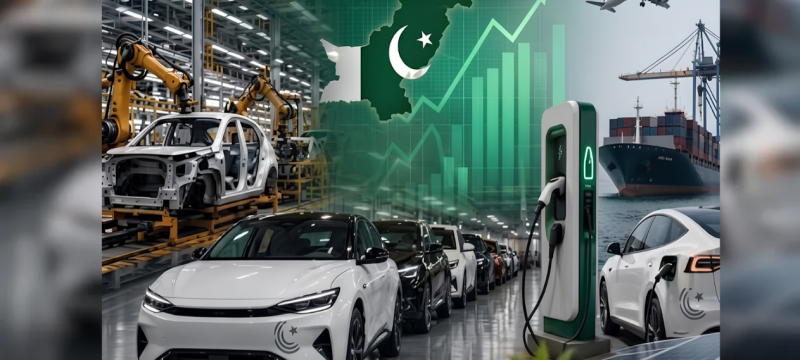
ISLAMABAD: Prime Minister Shehbaz Sharif has approved the draft of Pakistan’s new Automotive and Auto Parts Manufacturing Policy 2026-31. The federal cabinet is expected to give its final approval soon, according to sources.The proposed Auto Policy will guide Pakistan’s automotive industry over the next five years. It aims to support local manufacturing, attract new investment, and improve the industry’s competitiveness.
The previous automotive policy expired on June 30, 2026. Its expiry created uncertainty for manufacturers and investors. The new framework is expected to provide direction for the sector once the federal cabinet approves it.According to sources, the draft will be presented at an upcoming federal cabinet meeting. Its implementation will begin after the required approval process is completed.
Auto Policy 2026-31 Aims to Strengthen Local Manufacturing
The new Auto Policy focuses on strengthening Pakistan’s automotive industry through increased local production. It seeks to encourage manufacturers to produce more vehicles and automotive components within the country.The policy also aims to attract investment into the automotive sector. Greater investment could support manufacturing facilities, improve production capacity, and create opportunities for local businesses.
Another key objective is to improve the competitiveness of Pakistan’s automotive industry. The proposed framework seeks to help local manufacturers compete more effectively in international markets.The government also plans to encourage the integration of locally manufactured auto parts into global supply chains. This approach aims to expand opportunities for Pakistani component manufacturers and support the country’s export potential.
Gradual Reduction in Automobile Tariffs Proposed
One of the major proposals in the new policy involves gradually reducing automobile tariffs. The proposed changes are intended to reshape the automotive sector over the policy period.However, the detailed implementation schedule and specific tariff changes were not included in the available information. Further details are expected through the official policy documents following the approval process.
Changes in automobile tariffs could affect manufacturers, importers, and other businesses operating in the sector. The actual impact will depend on the final measures and their implementation.The policy’s broader objectives include improving local production and encouraging investment. It also seeks to establish a framework for the industry’s long-term development.
Seven Principles and Export Targets Included
The proposed Auto Policy contains seven key principles for transforming Pakistan’s automotive industry. These principles are intended to guide the sector’s development during the five-year period.
The framework also includes export targets designed to increase Pakistan’s presence in international markets. These targets aim to encourage manufacturers to explore opportunities beyond domestic sales.
Expanding exports could provide local manufacturers with additional markets for vehicles and automotive components. However, the achievement of these objectives will depend on implementation and industry response.
The proposed measures are expected to influence production planning and investment decisions across the sector.
Federal Cabinet Approval Awaited
The federal cabinet’s final approval remains the next major step for the Automotive and Auto Parts Manufacturing Policy 2026-31.The draft’s approval by the prime minister marks progress toward introducing a new framework for the automotive industry. Manufacturers have faced uncertainty since the previous policy expired in June 2026.
Once approved, the new policy will establish the government’s direction for the sector over the next five years. Its focus will remain on local manufacturing, investment, competitiveness, and exports.
In other news read more about Toyota Pakistan Reports Rs25.5bn Profit In FY26
Further details about the policy’s provisions are expected to emerge through official announcements. The final framework will determine how the proposed measures are introduced across Pakistan’s automotive industry.