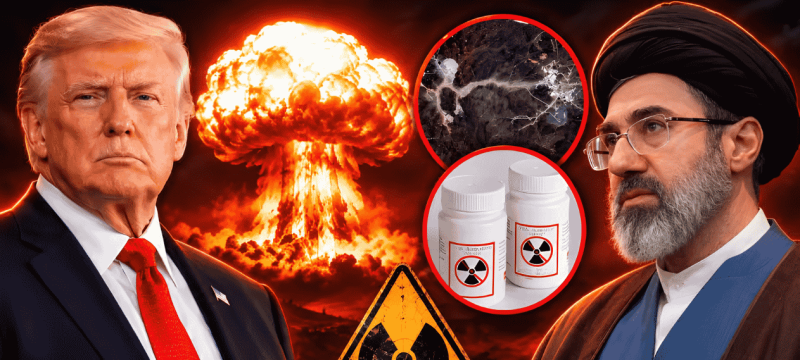
Concerns about a possible nuclear emergency have increased in Iran amid rising tensions with the United States. Authorities have distributed around 180,000 anti-radiation tablets in the southern city of Bushehr.
The city is home to Iran’s only operational nuclear power plant. The precautionary measure has attracted international attention amid renewed warnings from US President Donald Trump.
Washington has continued to signal the possibility of further military strikes against Iranian nuclear facilities. These warnings have raised concerns about the consequences of a potential Nuclear Attack on sensitive infrastructure.
However, Iranian officials say the tablet distribution is part of an existing emergency preparedness programme. They insist the initiative is not a response to an imminent military strike.
Iran Distributes 180,000 Anti-Radiation Tablets in Bushehr
Iranian health authorities have reportedly distributed approximately 180,000 potassium iodide tablets. The campaign initially focused on residential areas closest to the Bushehr Nuclear Power Plant.
The distribution was later expanded across the city. Residents can obtain the medication through comprehensive healthcare centres.
Health officials have also provided instructions about dosage and the correct timing of consumption. They advise residents not to take the tablets without official guidance.
Potassium iodide helps protect the thyroid gland against radioactive iodine. It works by filling the thyroid with stable iodine, reducing the absorption of radioactive iodine.
The medication is most effective shortly before or immediately after exposure. Health guidance generally recommends taking it within 24 hours before exposure or four hours afterward.
Unnecessary consumption can cause medical problems. Infants, children, pregnant women and other vulnerable groups require particular attention during radiation emergencies.
Trump’s Military Warnings Raise Nuclear Attack Concerns
The distribution comes as Trump continues to pressure Tehran over its nuclear programme.
Around November 1, Trump reportedly suggested that American forces could destroy remaining underground nuclear installations quickly.
His remarks referred to Pickaxe Mountain, a fortified underground complex near Natanz. The facility is also associated with Mount Kolang.
Reports described possible military operations lasting between ten minutes and approximately one hour. These statements renewed concerns about potential American strikes against Iranian nuclear infrastructure.
The latest warnings follow military confrontation involving the United States, Israel and Iran. The conflict began on February 28, 2026, following an earlier period of hostilities in June 2025.
Despite his military warnings, Trump stated around October 16 that he would not use nuclear weapons against Iran. However, he did not rule out further conventional military strikes.
Iran Says Tablet Distribution Is an Existing Safety Programme
Iranian authorities maintain that the Bushehr protection programme existed before the June 2025 conflict. The campaign is being presented as a continuation of earlier emergency preparations.
Similar precautionary measures were reportedly documented in April 2026. Subsequent reports indicated that the distribution expanded into additional residential areas.
Other reports also mentioned iodine tablet distribution near different nuclear facilities. These preparations reportedly covered areas located within two to three kilometres of certain sites.
Meanwhile, Iran’s Health Ministry challenged statements attributed to one of its officials in a report by The Times. The ministry denied that the official had made the reported comments.
The authorities have continued presenting the Bushehr programme as an established public-health measure rather than evidence of an approaching attack.
How Do Potassium Iodide Tablets Protect People?
Potassium iodide contains stable iodine that helps protect the thyroid gland. The thyroid naturally absorbs iodine to produce essential hormones.
During a nuclear emergency, radioactive iodine can enter the body through contaminated air, water or food.
One dangerous radioactive isotope is iodine-131. It has a half-life of approximately eight days and can increase thyroid cancer risks.
Children face particular risks from radioactive iodine exposure. Pregnant women, infants and developing fetuses also require special protection.
When taken at the correct time and dosage, potassium iodide can significantly reduce radioactive iodine absorption. However, it does not provide complete protection against radiation.
The tablets cannot prevent injuries from explosions or protect against external radiation. They also cannot neutralise radioactive materials such as cesium and strontium.
Therefore, emergency planning requires several additional measures. These include evacuation plans, safe shelters, environmental monitoring and emergency medical services.
What Could Happen if the US Attacks Iran’s Nuclear Facilities?
The consequences of a potential Nuclear Attack would depend on the facilities targeted. Underground uranium enrichment sites present different risks from operating nuclear power reactors.
Facilities such as Pickaxe Mountain are built deep underground. Their reinforced structures and surrounding rock provide protection against many conventional weapons.
A successful strike could damage tunnels, centrifuges, electrical systems and access routes. It could also cause fires, structural collapses and chemical hazards.
Underground enrichment facilities generally contain fewer radioactive fission products than operating nuclear reactors. Therefore, an attack on these sites would not normally create the same radioactive iodine risks as a severe reactor accident.
However, an attack on the Bushehr nuclear power plant could create more serious dangers. The operating reactor contains radioactive materials produced during nuclear fission.
A strike damaging cooling equipment or essential safety systems could cause serious overheating. In an extreme situation, the reactor core could suffer significant damage.
If protective containment systems also failed, radioactive materials could escape. This could expose nearby communities and emergency workers to dangerous contamination.
Possible Environmental Impact of an Attack on Bushehr
A major radioactive release could affect areas beyond the immediate plant surroundings. Winds and rainfall could influence the movement of radioactive materials.
The Persian Gulf’s location also raises concerns about possible marine contamination. The actual impact would depend on the scale of the release and environmental conditions.
Radioactive iodine could enter the food chain through contaminated crops and milk. Other radioactive substances could create additional environmental and public-health risks.
Historical nuclear accidents demonstrate the potential consequences of severe reactor damage. Three Mile Island, Chernobyl and Fukushima experienced different levels of radioactive release.
Modern nuclear reactors have multiple safety systems. However, severe damage to critical infrastructure could compromise these protections.
A military strike against an operating nuclear power station would also raise serious legal concerns. International humanitarian law provides special protection to nuclear electrical generating stations.
Damage to such facilities could expose civilians to widespread and long-term dangers. The consequences could extend beyond national borders.
No Confirmed Sign of an Imminent Nuclear Emergency
Despite growing international attention, Iran’s tablet distribution does not confirm an approaching military strike. Authorities describe the initiative as part of their existing emergency preparations.
The reported distribution of 180,000 iodine tablets highlights concerns surrounding nuclear safety in the region. It also reflects the risks associated with military threats against sensitive nuclear infrastructure.
As tensions between Washington and Tehran continue, Iran’s nuclear facilities remain under international scrutiny. Any further military escalation could raise additional concerns about civilian safety and regional stability.
In other news read more about: Iran and Israel Trade Blows After Isfahan Nuclear Site Attack