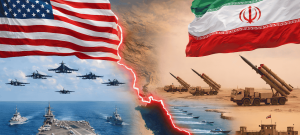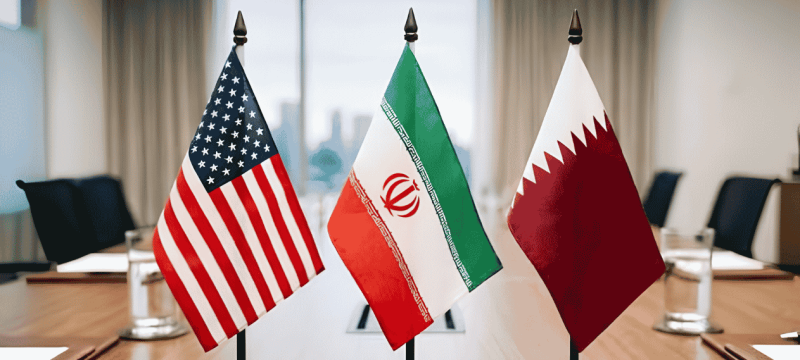
Hopes for a possible Peace Deal between Iran and the United States have increased following renewed diplomatic efforts. Tehran has reportedly submitted a fresh nuclear proposal to Washington through Qatar.
The latest development comes after months of military confrontation and stalled negotiations. Both countries continue to face pressure over regional security, nuclear activities and rising energy costs.
Qatar has emerged as a key mediator between Washington and Tehran. Its diplomatic efforts aim to reduce tensions and bring both sides closer to an agreement.
However, Iran has attached several conditions to the resumption of formal negotiations. Tehran wants Washington to address its demands before meaningful discussions can begin.
Iran Sets Seven Conditions for Peace Negotiations
According to reports, Iran has presented seven demands through Qatari mediation. These conditions include lifting American sanctions and releasing frozen Iranian financial assets.
Tehran is also seeking compensation for destruction caused during the conflict. It wants restrictions affecting Iranian ports to be removed.
Iran has further demanded that wider regional hostilities become part of any lasting settlement. Iranian officials believe security concerns must be addressed alongside nuclear negotiations.
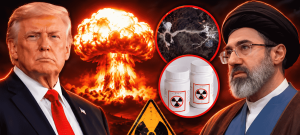
Washington, however, wants Iran’s nuclear programme included from the beginning. American officials reportedly oppose delaying nuclear discussions until a later stage.
The differences between both sides remain significant. Nevertheless, the latest proposal has created another opportunity for diplomatic engagement.
Trump Holds Talks With Qatar’s Emir
Diplomatic efforts gained momentum after US President Donald Trump spoke with Qatar’s Emir, Sheikh Tamim bin Hamad Al Thani.
The two leaders discussed reducing tensions across the Middle East. Their conversation also covered negotiations and possible steps towards a comprehensive agreement.
Qatar has continued communicating with both governments. Its leadership is working to narrow differences over nuclear activities and regional security.
The Gulf country has stressed the importance of dialogue. It considers diplomatic engagement essential to preventing another major escalation.
The latest discussions follow the breakdown of an interim peace arrangement in June 2026. Since then, efforts to secure a permanent settlement have faced major difficulties.
Strait of Hormuz Remains Central to the Dispute
The Strait of Hormuz remains one of the biggest issues in negotiations. The waterway is a major route for international oil shipments.
Iran has linked reopening the strait to Washington meeting its conditions. Tehran has also warned against further military pressure.
The two sides are reportedly considering an interim arrangement. This proposal is sometimes described as a bridge deal.
Under the proposed arrangement, Washington could ease maritime restrictions and release some frozen Iranian funds. In return, Tehran could take steps towards reopening the Strait of Hormuz.
The proposal could also involve allowing International Atomic Energy Agency inspectors to access damaged nuclear facilities. However, these measures remain under discussion and have not received official confirmation. <Cite refs={[“turn315424news24″,”turn315424search18″,”turn315424news26”]}/>
Trump’s Election Setback Adds Pressure for a Peace Deal
The renewed diplomatic efforts come at a difficult political moment for Trump. His Republican Party suffered major losses in the November 3 midterm elections.
Democrats secured control of both the House of Representatives and the Senate. The results marked a significant setback for Trump’s administration. <Cite refs={[“turn315424news25″,”turn315424search8”]}/>
The Iran conflict and rising living costs became important issues during the elections. Higher energy prices and inflation also contributed to voter concerns.
Vice President JD Vance acknowledged that the war affected the election outcome. Trump also recognised the conflict’s political impact while defending his military policy.
The election results have increased pressure on the administration to address the conflict. A diplomatic breakthrough could help reduce regional tensions and economic uncertainty.
Can Iran and the US Reach a Peace Agreement?
Despite renewed diplomatic activity, major disagreements remain between Washington and Tehran. Iran wants sanctions relief and financial concessions before formal negotiations.
The United States insists that nuclear issues must remain central to any agreement. Both sides also face difficult questions about regional security and maritime restrictions.
Qatar’s mediation efforts have created another opportunity for diplomatic progress. However, neither government has announced a final agreement.
The proposed Peace Deal could provide a framework for reducing tensions. Its success will depend on whether both countries accept practical compromises.
For now, diplomatic contacts continue as regional and international observers monitor developments. The coming discussions could determine whether Washington and Tehran move towards a lasting settlement or renewed confrontation.
In other news read more about: US-Iran Peace Deal May Be Signed on Sidelines of Upcoming G7 Summit, Reports Say