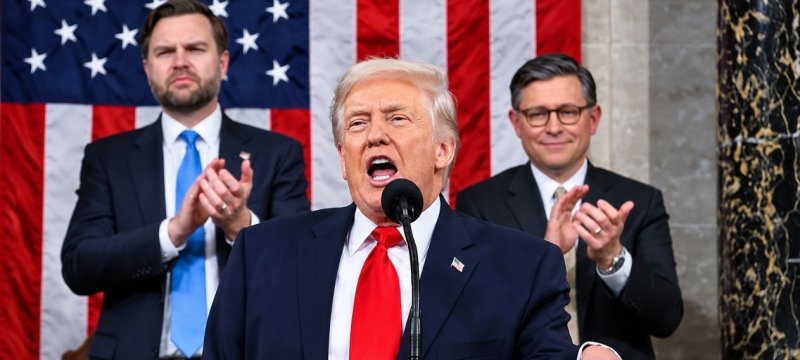
WASHINGTON: US President Donald Trump has suggested that the military conflict with Iran is nearing an end, saying further American attacks may no longer be necessary as diplomatic efforts gain momentum.
Speaking at the White House on Monday, November 9, Trump described Iran’s military capabilities as severely weakened and said Washington currently prefers maintaining the existing situation rather than launching another major military operation.
His remarks came after a meeting with Qatar’s Prime Minister Sheikh Mohammed bin Abdulrahman bin Jassim Al Thani, who has been involved in diplomatic efforts to ease tensions between Washington and Tehran.
During an unexpected appearance in the White House briefing room, Trump said there was a good possibility of bringing the conflict to an end.
He also stressed that American forces remained prepared to resume military operations if circumstances changed.
The latest statement represents a significant shift in Trump’s public position, particularly following earlier warnings that the United States could launch further attacks against Iranian targets.
Trump indicated that communication with Iranian officials was progressing positively, although he did not announce any formal peace agreement or permanent ceasefire.
The US president also credited regional countries, including Qatar and other Gulf states, with supporting the continuation of the current situation rather than renewed military escalation.
Despite his optimistic comments, Washington has not announced plans to withdraw its military forces from the region.
The US naval blockade against Iranian ports will also remain in place, according to Trump.
The blockade is intended to restrict Iran’s maritime trade and prevent its oil shipments from reaching international markets. Thousands of American troops and military assets remain deployed in the surrounding region as part of the ongoing pressure campaign.
Trump described the blockade as a major military operation and suggested that maintaining it could help Washington secure a favourable agreement with Tehran.
A key priority for the Trump administration remains preventing Iran from developing nuclear weapons. The president has indicated that any long-term settlement must address concerns surrounding Tehran’s nuclear programme.
Meanwhile, Iran has presented several conditions for resuming formal negotiations with the United States.
Tehran wants Washington to lift its naval blockade, remove economic sanctions and release Iranian assets frozen under international restrictions. Iran has also demanded compensation for damage caused during the conflict.
Another important condition involves ending military hostilities across the region, including Israeli operations in Lebanon.
These demands have created additional difficulties for diplomatic efforts, as Washington has not agreed to all of Tehran’s conditions.
On Monday, Iranian officials defended a proposal to restart peace negotiations within two days, while US Secretary of State Marco Rubio criticised some of Iran’s demands.
Trump also discussed the possibility of renewed military action during a CNN interview on Sunday. He said further attacks would be highly unlikely if Iran agreed to a strong deal and negotiations continued making progress.
However, he warned that American forces had already identified potential targets, including 38 bridges, in case military operations resumed.
The Iran conflict began on February 28, 2026, when the United States and Israel launched joint strikes against Iranian targets.
Since then, the confrontation has increased regional tensions, affected international energy markets and raised concerns about wider instability in the Middle East.
For now, Trump’s latest comments suggest that Washington is increasingly interested in ending the military confrontation through negotiations.
However, the continued naval blockade, disagreements over sanctions and unresolved nuclear concerns mean that a permanent settlement remains uncertain.
In other news read more about: Iran-US Peace Deal Hopes Grow As Qatar Leads Diplomatic Efforts
Whether the latest diplomatic efforts can produce a lasting agreement will determine the next phase of the US-Iran conflict.