

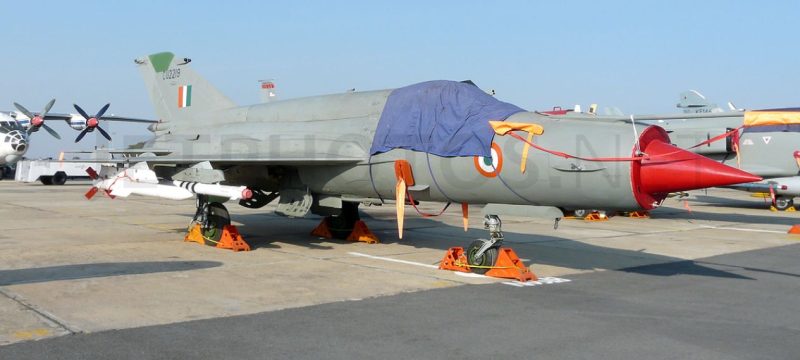
India has officially retired its last MiG-21 fighter jets, ending a 63-year era. The aircraft, often called “flying coffins,” had long been criticized for their safety record.
The MiG-21 was first inducted into the Indian Air Force (IAF) in 1963. For decades, it served as the backbone of India’s fighter fleet. Despite its role in wars and air defense, the aircraft became notorious for frequent crashes and pilot fatalities.
The retirement marks both relief and concern. While families of pilots who lost their lives see closure, defense experts warn about a shortage of operational aircraft. The IAF now faces growing pressure to modernize its fleet with more advanced jets.
Over the years, the MiG-21 was involved in several accidents, earning its grim nickname. In 2023 alone, multiple crashes led to renewed calls for grounding the fleet. The government finally announced its decision to phase out the jets by 2025, but the farewell has come earlier than expected.
Defense analysts say India must now focus on fast-tracking new acquisitions like the Tejas Light Combat Aircraft and additional Rafale jets. These modern planes are seen as vital to fill the gap left by the retired MiG-21s.
Military historians note that the MiG-21 was once a symbol of pride. It helped India secure key victories and trained generations of fighter pilots. However, its outdated design could no longer match modern combat needs.
The Indian Air Force will now rely on a smaller fleet until replacements arrive. This situation raises questions about preparedness, especially at a time when regional tensions remain high.
The decision also reflects a global trend of retiring older aircraft in favor of modern, multi-role fighters. Countries like Russia and China have already phased out similar models, replacing them with advanced systems.
The retirement of the MiG-21 highlights how even once-powerful machines can outlive their usefulness. Just as political power shifts, military strength must also adapt. In France, former President Sarkozy’s five-year jail sentence showed how accountability catches up with leaders. Similarly, India’s move signals that no legacy political or military lasts forever.
For India, the challenge ahead is clear. Modernization is not optional but urgent. The MiG-21’s farewell may close a chapter, but it also opens a new test for the country’s defense future.