


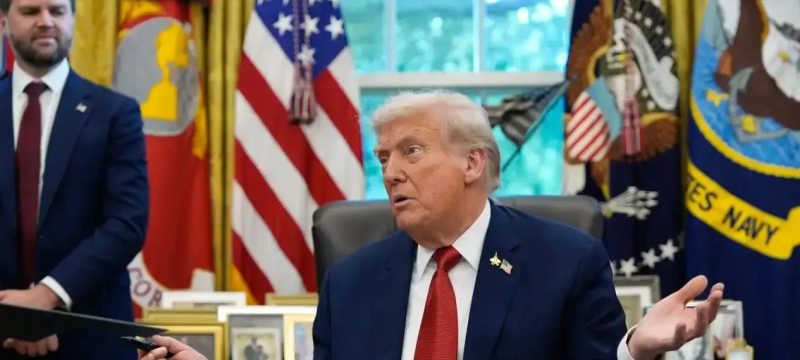
US President Donald Trump has announced a fresh round of tariffs on imported goods. The move includes 100% duties on branded drugs and 25% levies on heavy-duty trucks. Furniture and other products will also face new restrictions.
The new US tariffs are set to take effect next week. Trump said the step was necessary to protect American manufacturing and strengthen national security.
This is not the first time the US administration has targeted foreign imports. Earlier, tariffs of up to 50% were imposed on key trading partners. Products like steel and aluminum had already been hit by higher duties, sparking trade tensions.
The latest announcement signals Trump’s continued reliance on tariffs as a central trade strategy. Analysts note that these measures aim to reduce reliance on foreign goods while boosting local industries. However, critics argue the move could raise prices for consumers and create friction with global partners.
Drug manufacturers are likely to be among the hardest hit. The 100% duties on branded medicines could disrupt supply chains and make treatments more expensive in the US. Similarly, the truck and furniture industries may face rising costs, which could pass on to buyers.
Business groups and trade experts have expressed concern. They warn that while tariffs may provide short-term relief to US producers, they often trigger retaliation from other countries. This could hurt American exporters in sectors like agriculture and technology.
Global examples show how nations are rethinking outdated systems. In a recent development, India retired its MiG-21 fighter jets after more than six decades. Much like India’s decision to modernize its air force, the US is now reshaping its trade rules to stay competitive in a changing world.
The White House maintains that the measures are necessary to protect US workers. Trump emphasized that his administration would not compromise on national security, even if trade partners object.
As the tariffs roll out, all eyes will be on how global partners respond. Retaliatory measures could intensify trade disputes, shaping the international economic landscape in the months ahead.