

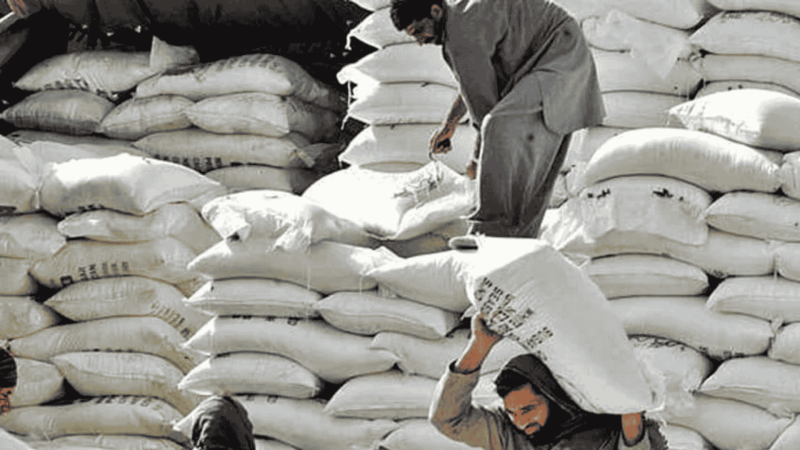
The Punjab government has clarified that it is not imposing restrictions on the inter-provincial movement of wheat and flour, rejecting recent media reports suggesting otherwise. Officials confirmed that the supply process continues transparently under a permit-based system to ensure fair distribution.
Punjab Information Minister Azma Zahid Bukhari, while addressing the media on Sunday, dismissed claims that the province had banned wheat or flour movement to Khyber Pakhtunkhwa (KP) and Sindh. She called such reports “baseless and contrary to facts.”
“Punjab has not imposed any ban or is imposing restrictions on the supply of flour,” she stated. “Distribution is fully documented, and a transparent permit system ensures accountability for every shipment leaving the province.”
Bukhari emphasized that Punjab’s top priority is to maintain affordable flour prices and stable supplies for its own citizens. She credited Chief Minister Maryam Nawaz for implementing “well-planned and effective policies” that have kept the wheat market steady despite challenges.
Responding to criticism from KP, the minister said that if wheat demand in KP had risen, the provincial government should release its own stocks or buy from the Pakistan Agricultural Storage and Services Corporation (PASSCO).
“Punjab cannot compromise its people’s share of wheat for another province’s political drama,” she remarked.
According to Bukhari, over 200 flour mills in KP are currently non-functional. She urged the KP government to “focus on operating its mills rather than protesting outside Adiala Jail.”
She also explained that Punjab purchases wheat with taxpayer money and maintains secure reserves of 885,000 metric tonnes worth Rs100 billion.
“If the KP government is sincere about helping its people, it can buy wheat from PASSCO or import it. Mere slogans won’t fill kitchen shelves,” she said.
Bukhari reaffirmed that Punjab supplies wheat to flour mills at Rs3,000 per maund and continues monitoring all inter-provincial transport through digital systems. She stressed that the province is not imposing restrictions, but rather ensuring transparency, preventing hoarding, and maintaining market stability.
In other news read more about: Punjab bans wheat in feed mills to curb flour crisis