


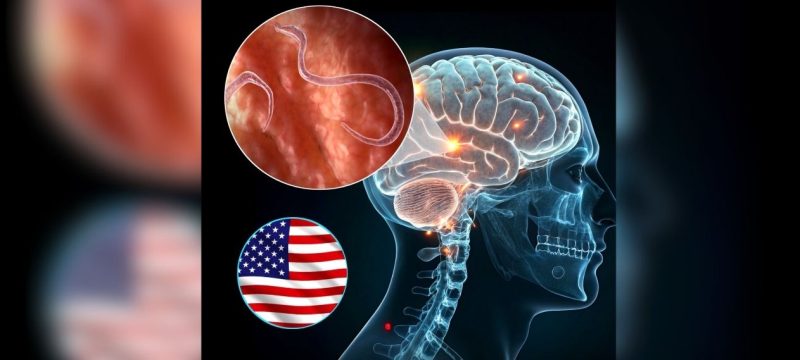
Recent studies suggest that some Americans may be infected with a brain parasite capable of influencing behavior, emotions, and brain function. Scientists warn that this tiny organism can alter how neurons — the brain’s nerve cells — send signals to each other.
In simple terms, a brain parasite is a small living organism, such as a germ or worm, that survives inside the brain. By changing how neurons communicate, it may disrupt the brain’s normal electrical and chemical processes, leading to possible changes in mood or behavior.
One of the most studied parasites linked to this phenomenon is Toxoplasma gondii. It is commonly spread through contact with infected cats or by eating undercooked meat. Research has shown that Toxoplasma gondii may subtly influence human behavior by affecting brain chemistry, though scientists still debate the extent of its impact.
Experts explain that while the parasite often causes no visible symptoms, it can remain in the brain for years. In some cases, it may trigger inflammation or alter the release of certain brain chemicals, potentially increasing risk-taking tendencies or anxiety in infected individuals.
Health professionals in the United States emphasize that this does not mean most Americans are at risk, but awareness and preventive steps are important. Proper hygiene, cooking meat thoroughly, and avoiding exposure to cat litter can significantly reduce the risk of infection.
The Centers for Disease Control and Prevention (CDC) notes that millions of Americans may already carry dormant Toxoplasma gondii infections without realizing it. More research is underway to understand how this parasite interacts with the human brain and whether it truly influences mental health or decision-making.
In other news read more about Rare Dinosaur Egg Over 70 Million Years Old Discovered in Perfect Shape in Argentina
For now, scientists urge continued vigilance, stressing that good hygiene and food safety remain the best defenses against brain parasites.