


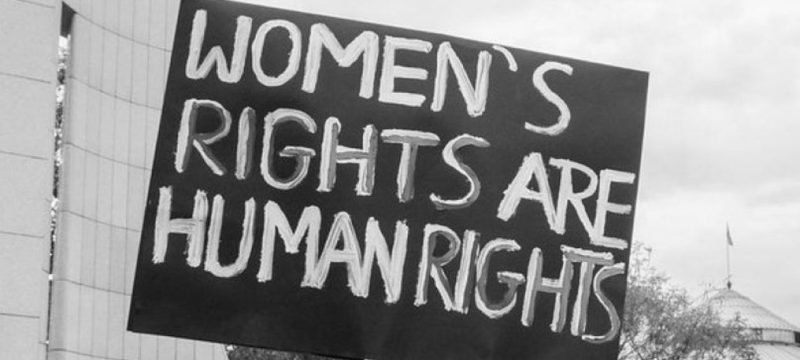
The fight for Women’s Rights has a long and difficult history. In the early 1900s, women in the UK campaigned fiercely for the right to vote. Their efforts included both peaceful protests and militant tactics such as window-smashing and civil disobedience. Many activists were arrested and imprisoned for their actions.
Hunger strikes became a common form of protest among imprisoned suffragettes. Women used this tactic to demand recognition as political prisoners. By refusing food, they sought to draw attention to the injustice of denying women basic political rights.
Prison authorities often responded to hunger strikes with force. Women were restrained and force-fed through tubes inserted in the throat or nose. This method was painful and dangerous, sometimes causing vomiting or injury. Some suffragettes endured repeated force-feeding sessions. For example, Evaline Hilda Burkitt, a British activist, was reportedly force-fed hundreds of times during her imprisonment.
These harsh responses sparked public outrage and brought attention to the suffragettes’ cause. Activists’ courage and suffering helped highlight the urgent need for legal and social reforms in support of Women’s Rights.
The struggle of early 20th-century suffragettes laid the foundation for modern movements. Their sacrifices ensured future generations of women could access political representation and participate more fully in society. Today, the fight for Women’s Rights continues globally, focusing on equality, safety, education, and political empowerment.
Historians emphasize that the suffragettes’ protests were not just about voting rights. They represented a broader demand for recognition, respect, and equality for women. Their legacy remains a powerful reminder of the importance of activism and persistence in the pursuit of justice.
The courage shown by these women highlights how challenging it was to secure basic rights. It also demonstrates the long-term impact of determined advocacy in shaping societies that value and uphold Women’s Rights.
In other news read more about Taliban Ban Women’s Books And Human Rights In Universities
The story of suffragettes continues to inspire activists worldwide, reinforcing the need to protect and advance the rights of women everywhere.