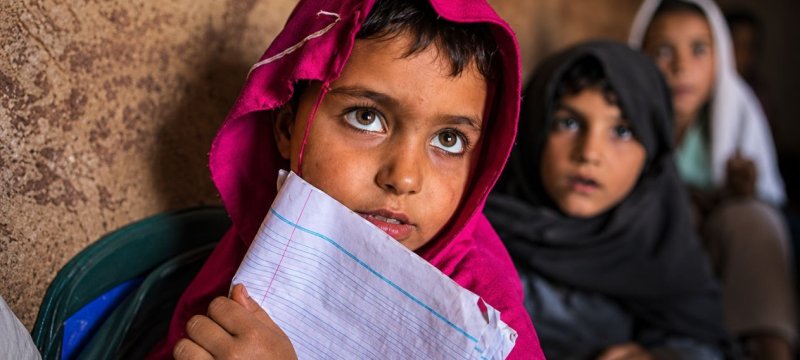
Khyber Pakhtunkhwa is facing serious challenges in its education sector, with nearly 4.9 million children currently out of school.
The province is also struggling with teacher shortages, damaged school buildings and several non-functional educational institutions.
According to available figures, 44,747 teaching positions remain vacant across the province. Meanwhile, 562 schools are currently not operational.
The situation has raised concerns about access to education, particularly for children in underserved areas.
School infrastructure is another major challenge for the provincial education system. Around 17,353 classrooms require reconstruction, while another 18,476 need major repairs.
These conditions have affected the learning environment in many educational institutions. Improving school buildings and providing basic facilities remain important priorities.
The education sector is also facing administrative challenges. Delays in teachers’ salaries have created further difficulties for the teaching workforce.
Concerns have also emerged over political interference in recruitment and transfer decisions. Authorities are being urged to ensure transparency and merit-based appointments.
The provincial government is planning several reforms to address these problems. Its proposed measures include recruiting teachers and restoring closed schools.
The government also aims to repair damaged school buildings and improve existing educational facilities. These steps are intended to provide better learning opportunities for students.
Technology is another part of the proposed education reforms. Authorities are focusing on introducing smart classrooms and modern learning facilities in schools.
The initiative aims to improve teaching methods and provide students with access to digital education.
Higher education is also included in the government’s broader plans. The authorities are considering improvements to facilities and educational opportunities for young people.
In addition, the government plans to expand IT education, technical training and vocational programmes. These initiatives could help young people develop practical skills for future employment.
The large number of out-of-school children remains one of the biggest challenges for Khyber Pakhtunkhwa. Addressing teacher shortages and restoring non-functional schools will be essential.
The success of these proposed reforms will depend on their effective implementation. Consistent funding, transparent recruitment and improved school facilities will remain important for progress.
In other news read more about: Federal Govt Moves to Expand KP Governor Faisal Karim Kundi’s Powers
Providing quality education to more children will also require coordinated efforts from the government and education authorities.