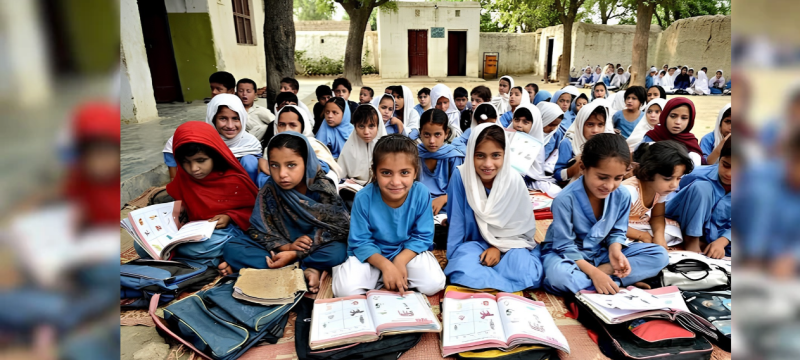
CHILAS: Nearly 55,000 children in Diamer district are currently out of school, Gilgit-Baltistan Chief Minister Amjad Hussain has revealed. He described the education gap as one of the region’s most pressing challenges.
The chief minister shared these figures while addressing a public gathering during his visit to Chilas. He highlighted the need to improve educational access, particularly for children living in remote areas.
To address the problem, the government plans to integrate home-based schools into the public education system. The initiative aims to provide better learning opportunities for children in distant valleys.
The move is expected to help authorities expand educational access in underserved communities. It also reflects the government’s stated commitment to addressing the district’s educational challenges.
Government Plans to Improve School Access in Diamer
Amjad Hussain identified Diamer as the most underdeveloped district in Gilgit-Baltistan. He also acknowledged that previous development resources had not always been used effectively.
The chief minister promised greater transparency and accountability in future development projects. He said the government would focus on ensuring that development initiatives benefit local communities.
The integration of home-based schools could help children who face difficulties accessing formal educational institutions. However, the government will need to address infrastructure and staffing needs to improve educational opportunities.
The high number of out-of-school children highlights the scale of the challenge. Better facilities and accessible learning arrangements will remain important for improving school enrolment across the district.
Diamer Development Authority Announced
The chief minister also announced the establishment of the Diamer Development Authority. The new body will focus on accelerating development projects and ensuring their benefits reach local residents.
Meanwhile, the Water and Power Development Authority (WAPDA) will undertake several infrastructure projects. These include sewerage systems, water supply facilities and Safe City initiatives.
The provincial government has promised strict oversight of these projects. The measures aim to improve essential services and support development in the district.
Improved infrastructure could also help communities gain better access to education and other public services. However, the effectiveness of these initiatives will depend on their implementation and monitoring.
Healthcare Facilities to Receive Upgrades
The chief minister also announced measures to address healthcare challenges in Diamer. Orders have been issued to recruit more than 50 doctors under the Special Pay Scale.
Additionally, the government plans to upgrade facilities at the Regional Headquarters Hospital in Chilas. The improvements aim to address staff shortages and operational problems affecting healthcare services.
The measures are intended to improve medical facilities for residents. They also form part of broader efforts to strengthen public services across the district.
Government Announces Jobs for Diamer Residents
Amjad Hussain further announced employment opportunities for local residents. According to his statement, 500 police vacancies will be reserved exclusively for people from Diamer.
WAPDA has also announced another 400 jobs for residents of the district. These opportunities are expected to provide additional employment options for the local population.
The announcements cover education, healthcare, infrastructure and employment. Together, they outline the government’s stated priorities for addressing development challenges in Diamer.
However, the district’s education situation remains a major concern. With nearly 55,000 children out of school, improving access to learning will require sustained efforts.
In other news read more about Punjab Set to Launch Massive Annual Census Covering 38,000 Government Schools
Integrating home-based schools into the public education system could be an important step. Effective implementation will be essential to ensure more children can access education and continue their studies.