

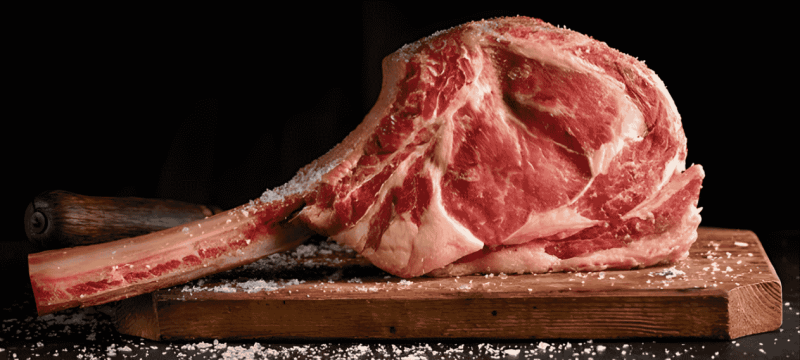
Beef and mutton supply from Pakistan to Middle East countries has been disrupted due to the ongoing Iran-Israel conflict. The closure of airspace and maritime routes in several Arab countries has halted exports for the fifth consecutive day.
Traders in Rawalpindi have warned that this supply disruption could lead to significant financial losses for those dealing in mutton and beef. Many exporters fear that if the situation continues, domestic markets in Pakistan may face oversupply.
Market analysts suggest that prices could drop sharply. Mutton may fall by up to Rs800 per kilogram, while beef could decline around Rs500 per kilogram. The supply disrupted to Gulf countries is compounded by the ongoing suspension of goat and beef exports to Afghanistan.
Industry experts note that prolonged export halts may have wider economic effects. Traders are concerned that continued disruption could harm Pakistan’s meat export reputation in the Middle East.
Meanwhile, the closure of the Strait of Hormuz and tensions in the region have prompted Pakistan authorities to reconsider petroleum pricing policies. Officials are exploring a weekly review system for fuel prices. This approach aims to prevent hoarding and sudden price spikes among retailers.
Sources indicate that the government is studying models used during the Covid-19 pandemic to determine fuel price adjustments. The objective is to keep markets stable while avoiding speculative stockpiling by dealers.
In summary, Pakistan’s meat exports remain at risk as supply disrupted by regional tensions continues. Both exporters and domestic consumers may face consequences if air and maritime routes stay closed. Authorities are monitoring the situation closely, while economic experts advise preparing for potential price fluctuations in both meat and fuel markets.
In other news read more about: Pakistan Restarts Exporting Fresh, Chilled Meat to the UAE