


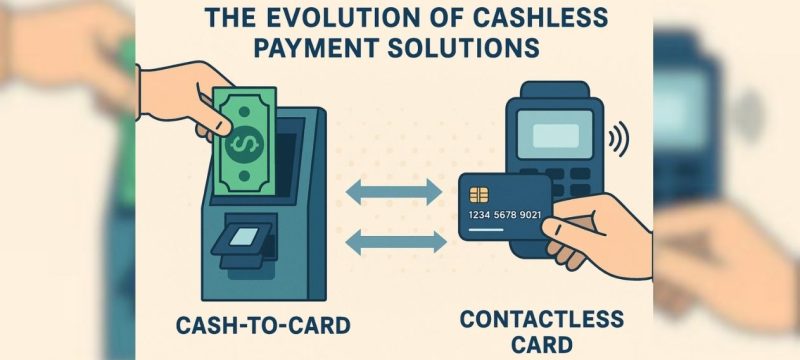
The global card payment system has undergone major changes over the past several decades. Technology advancements and consumer expectations have shaped the way people make financial transactions today. What started with simple magnetic stripe cards has now evolved into advanced digital and contactless solutions.
In the early days, the card payment process relied on magnetic stripe cards. These cards were introduced in the 1960s and became widely used in the 1970s. They stored user data on a magnetic strip on the back of the card. Customers had to swipe the card through a reader to complete a transaction.
At the time, this technology replaced manual bookkeeping and simplified payments. However, the system had security weaknesses. The magnetic stripe could be easily copied, making fraud a serious concern. Verification methods such as signatures and PIN codes were used but often proved insufficient.
As security concerns grew, banks and payment companies introduced new technologies. The launch of EMV chip cards in the 1990s marked a major improvement in the card payment industry. EMV stands for Europay, MasterCard, and Visa, the organizations that developed the technology.
Unlike magnetic stripe cards, EMV cards contain a microchip that generates a unique code for each transaction. This makes it much harder for criminals to copy card information. As a result, fraud risks dropped significantly after the adoption of EMV technology.
Another major development in the card payment system is contactless technology. Contactless payments use near-field communication (NFC) to allow customers to tap their card or device on a reader. This method is faster and more convenient than traditional swiping or inserting a card.
Contactless payments have become popular in retail stores, public transportation, and restaurants. Many consumers now prefer tap-and-go transactions because they are quick and hygienic.
Experts say digital banking has also transformed the card payment ecosystem. Mobile wallets and banking apps allow users to manage their cards digitally. Customers can now receive real-time transaction alerts, monitor spending, and access virtual cards instantly.
Syed Hassan Haider, a digital banking expert based in Riyadh, says modern card systems combine several technologies. These include EMV chips, contactless payments, and mobile banking platforms. He explains that today’s payment systems rely on cloud infrastructure, secure networks, and advanced APIs.
Haider also notes that the payment lifecycle now involves multiple stages. These include merchant onboarding, transaction processing, and instant reconciliation. Each step ensures security and efficiency for banks and customers.
The growth of e-commerce has further increased the demand for secure card payment solutions. Online shoppers expect safe and fast payment options when purchasing goods or services.
Banks and payment companies now use advanced tools such as tokenization, artificial intelligence, and predictive analytics. These technologies help detect fraud in real time and protect consumer data.
The future of card payment systems is expected to include even more innovations. Biometric authentication, wearable devices, and Internet of Things (IoT) payments are already being explored by financial institutions.
In other news read more about Kuwait Bans Extra Fees On Debit And Credit Card Payments
Industry experts believe the focus will remain on security, speed, and convenience. As technology continues to evolve, card payments will likely become even more integrated with digital banking and everyday life.