


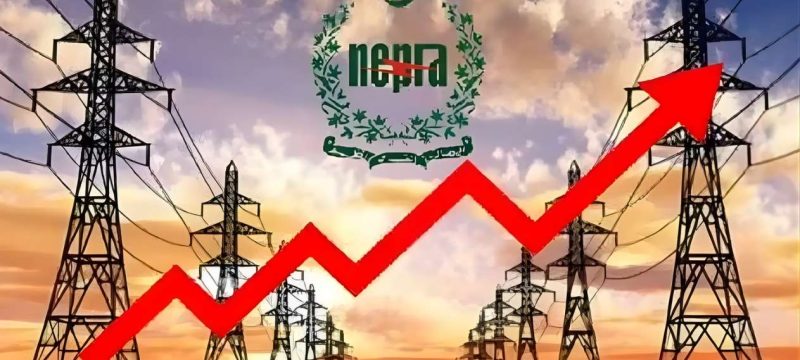
Pakistan’s federal government has increased Electricity prices across the country by 35 paisa per unit. The new rates took effect immediately after the latest decision by the power regulator.
According to a notification issued by the National Electric Power Regulatory Authority, the revised Electricity tariff will remain in place for three months. The adjustment will apply from March to May this year.
Officials said the new tariff applies to all power distribution companies. Consumers served by both government distribution companies and K-Electric will see the increase in their bills.
The decision comes as part of the second quarterly review of the current fiscal year. Authorities estimate the increase will place an additional financial burden on consumers.
Government projections suggest the tariff adjustment will add around Rs8.67 billion in extra costs for electricity users. This amount will be collected over the next three months through consumer bills.
Impact on electricity consumers
The increase means households and businesses will pay slightly more for Electricity during the coming months. Energy officials say the adjustment reflects ongoing changes in power generation and supply costs.
Consumers across Pakistan are already facing rising energy expenses. The new Electricity rates are expected to further increase monthly utility bills for many households.
Industry representatives say higher power costs can also affect businesses. Manufacturing and commercial sectors rely heavily on consistent Electricity supply.
Global energy market pressures
Energy experts say international developments are also influencing power costs. Global oil and gas prices have risen due to geopolitical tensions and supply concerns.
Reports indicate that Brent crude oil prices surged sharply when the conflict began. The benchmark price briefly rose between eight and thirteen percent, crossing $80 per barrel.
Although prices later eased slightly, they remain elevated compared with previous levels. Analysts say geopolitical uncertainty remains the main driver of energy prices.
In Europe, diesel prices have jumped significantly. Market data shows diesel reached the highest level in nearly two years after rising by about 17 percent.
Natural gas prices in Europe have also increased sharply. This has added further pressure to global energy markets.
Supply risks remain a concern
Experts warn that energy supply risks remain high due to attacks on infrastructure in the Gulf region. Shipping disruptions in the Strait of Hormuz have also increased uncertainty.
The waterway carries a large portion of the world’s oil shipments. Any disruption there can affect fuel prices globally.
Higher insurance costs and changes in tanker routes are also contributing to market volatility. Countries far from the conflict are already preparing for possible fuel price increases.
In other news read more about: Punjab Allocates Rs624m for 5G Locators and Vehicles for Special Branch
Analysts say global market pressures could continue to influence Electricity prices and energy costs in Pakistan in the months ahead.