


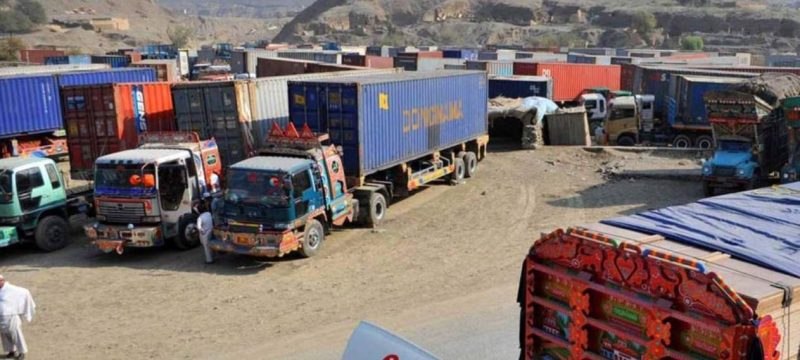
Goods Transport sector in Pakistan has announced a 5 percent increase in fares following the recent rise in petroleum prices. The decision was shared by Malik Shehzad Awan, President of the Pakistan Goods Transport Alliance. He strongly criticized the fuel price hike and its impact on transporters.
According to Awan, transporters across the country have rejected the increase in fuel prices. He said the rising cost of fuel is putting heavy financial pressure on the Goods Transport industry. Many operators are struggling to manage daily expenses.
He urged the federal government to take immediate action. He called for the removal of toll tax, withholding tax, and traffic fines. Awan claimed that these additional costs are making it difficult for transporters to continue operations.
The Goods Transport sector is already facing challenges due to continuous fuel price increases. Awan stated that government support has been insufficient. He mentioned that the subsidy of Rs80,000 for truck trailers is not enough to cover rising costs.
He explained that operating costs for transporters have increased significantly. A single trailer trip now costs nearly Rs200,000 more than before. With an average of four trips per month, transporters are facing an extra burden of around Rs800,000 monthly.
These rising expenses are forcing many transporters to stop working. Awan warned that thousands of vehicles may be parked if the situation continues. This could disrupt supply chains across the country.
The impact of rising fares is not limited to the transport sector. Experts believe it will also affect the overall economy. Higher transport costs may lead to increased prices of essential goods. This can contribute to inflation and reduce purchasing power.
Awan also highlighted the broader economic concerns. He said the transport industry is already under pressure due to uncertain conditions. Rising fuel prices are adding to these challenges.
He warned that if policies are not revised, the Goods Transport system could face serious disruption. This may affect trade, supply chains, and daily life.
In other news read more about: Pakistan Economy Could Lose $50 Billion Annually if Oil Reaches $150 per Barrel
Overall, the fare increase reflects growing concerns within the transport sector. Authorities are being urged to review fuel pricing and taxation policies. The future of the Goods Transport industry depends on timely and effective decisions.