


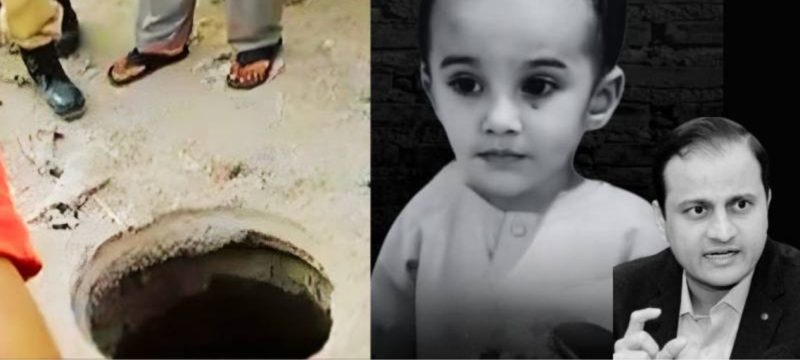
Following the tragic death of a three-year-old boy who fell into an open manhole near NIPA Chowrangi in Karachi, questions are being raised about how other countries tackle similar risks. The incident has renewed public concern about poor safety measures and slow response systems in Karachi.
A report aired on ARY News’ programme Sawal Ye Hai, hosted by Maria Memon, highlighted how different countries address manhole hazards. The comparison shows that many nations use modern tools, community participation, and stronger urban planning to prevent accidents caused by an open manhole or damaged drainage structure.
In India, the government introduced the “Abhiyan” Programme in 2014. The initiative included replacing traditional iron covers with fibre or polymer alternatives in selected regions. These new covers are lighter, harder to steal, and reduce the chances of sudden accidents.
Neighbouring countries like Bangladesh and Nepal have taken a more digital approach. Local NGOs and community groups use mobile apps and online tools to map drainage systems. These platforms help identify damaged or open manholes quickly and send alerts to authorities for urgent action.
In Southeast Asia, simple but effective measures are common. The Philippines and Indonesia have installed concrete or steel slabs over exposed drains. These barriers prevent pedestrians, children, and motorcyclists from falling into drainage channels.
To improve night-time safety, Ethiopia and Nepal have expanded the use of solar-powered LED street lights. These lights help residents spot damaged areas more easily, reducing the risk of accidents after dark.
Rwanda and Cambodia operate rapid-response municipal teams. These teams move across neighbourhoods to repair broken manhole covers, fix drainage lids, and manage other small infrastructure issues before they become dangerous.
In other regions, long-term solutions have been introduced. Turkiye and Saudi Arabia have converted old open drainage systems into underground pipelines to create safer and cleaner urban environments.
In other news read more about: Banners Placed Against Gulshan Town Chairman After NIPA Manhole Tragedy
According to the US-based platform The Medium, the most effective countries focus on prevention, quick reporting, and fast repairs. Experts say Karachi can learn from these international practices by improving monitoring, upgrading infrastructure, and responding faster to complaints involving any open manhole in the city.